
🕒 7 min read
A quiet storm has begun over the black expanse above us. In late March, U.S. analysts watched several Russian satellites weave around an unmanned spacecraft in low Earth orbit, tightening a cage that could have jammed its communications or even nudged it off course. The maneuver felt like a dogfight, only instead of planes, the combatants were metal spheres in vacuum. Behind this spectacle lies a new space race whose prize is not flag‑planting but control.
Immediate consequences

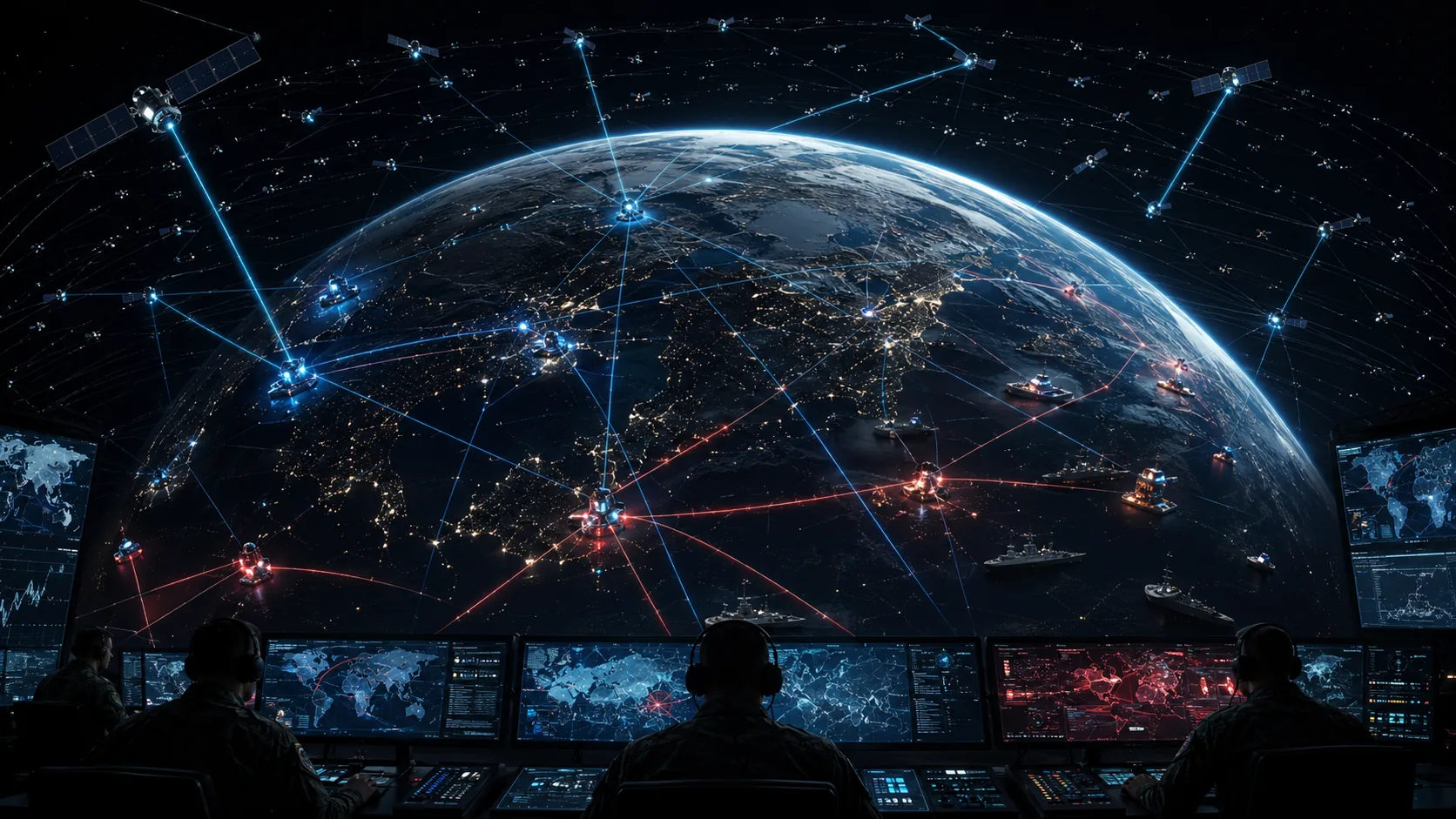
The militarization of orbit reshapes every satellite that powers modern life. GPS signals that guide your car’s navigation and keep international shipping lanes open now sit under military watch. Weather satellites that forecast storms, internet backbones that keep streaming services alive, and even the timing pulses that authenticate bank transactions all rely on space assets. If a nation can dominate or disrupt these orbital networks, it gains leverage over civilian infrastructure without ever firing a shot on Earth.
The shift from exploration to dominance is rooted in cost reductions as well. Launches have become cheaper, allowing more actors to field constellations of small satellites. These swarms can be re‑oriented quickly and are hard to detect once they spread across multiple orbits. The result: space has become a contested domain where positioning matters as much as firepower.
The Washington Post series notes that the U.S. Space Force, established in 2019, formalized the idea of “space as a warfighting domain.” Its mission includes safeguarding satellites and ensuring continuity for GPS, communications, and nuclear early‑warning systems. The U.S. now treats orbital infrastructure with the same seriousness it applies to air or sea control.
China’s trajectory mirrors that shift. A decade ago, the country operated roughly 40 satellites; today it fields more than 1,000, many flagged for military use. In April 2025, Chinese officials boasted of reentry glide vehicles capable of reaching extreme speeds, an assertion that signals intent to field weapons that could strike orbital platforms from orbit or even return to Earth with kinetic force.
Russia’s tactics add another layer of complexity. Beyond the March swarm maneuver, reports suggest it is developing orbiting nuclear weapons designed to obliterate small‑satellite constellations in a broader conflict with NATO. Such a capability would turn space into an area where a single strike could cripple an entire national communications network, raising stakes for every nation that depends on satellites.
The most visible weapon of this new age is the anti‑satellite (ASAT) system. China’s 2007 and 2013 kinetic ASAT tests destroyed operational satellites in orbit. The debris clouds created by those strikes have lingered for decades, threatening to collide with other spacecraft. A modern conflict could generate debris at a rate that would render many orbits unusable.
The stakes are not abstract. If an adversary were to jam GPS on the ground, navigation apps would misguide drivers; if weather satellites were disabled, storm forecasts would degrade; if internet backhaul satellites went offline, streaming and cloud services would falter. The ripple effect would hit everyday life, banking, emergency response, aviation, shipping, all through invisible links that now sit in orbit.
What to watch
1. Satellite maneuvering protocols
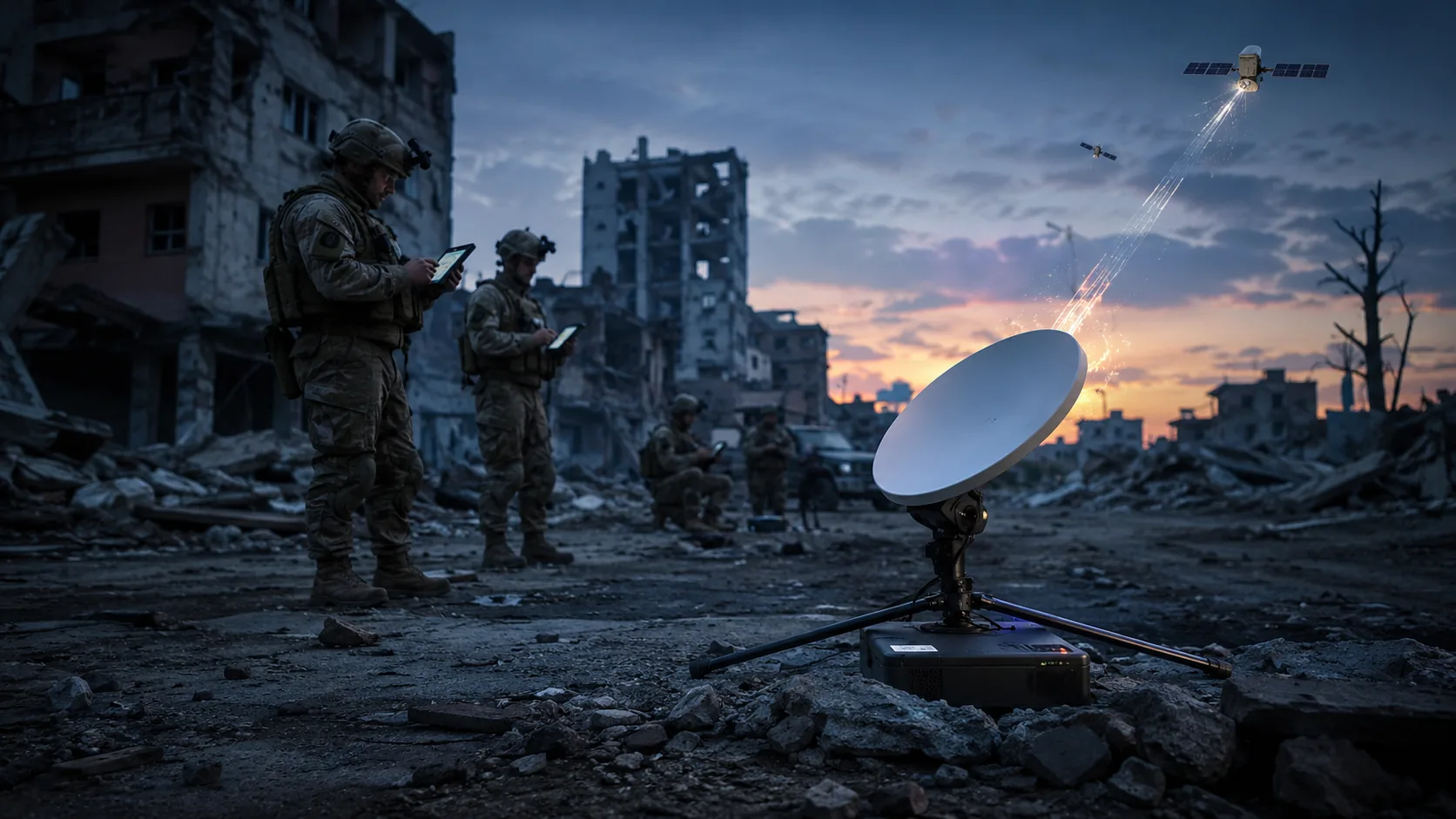
In the near future we will likely see new international guidelines or informal norms emerging around satellite repositioning and close‑proximity operations. The March Russian maneuver shows how a cluster of satellites can shadow another, potentially disabling it without physical contact. If other nations adopt similar tactics, there may be an arms race in “space dogfighting.” Watch for statements from the U.S., China, or Russia on whether they will establish rules that limit how close satellites can approach one another.
The mechanics of such maneuvers involve precise orbital calculations and real‑time communication between spacecraft. A satellite’s ability to alter its orbit by a few meters per second can place it in a position where it blocks signals, interferes with sensors, or creates a physical hazard for an adversary’s asset. As more satellites enter the same orbital bands, the likelihood of accidental interference rises, underscoring the need for clear coordination protocols.
2. Debris mitigation and tracking

The debris created by kinetic ASAT tests remains a persistent hazard. As more countries launch, the orbital environment is becoming cluttered. A growing number of agencies are investing in active debris removal technologies and better tracking systems. If any nation were to employ an ASAT in conflict, the resulting debris could trigger cascading collisions, known as the Kessler syndrome, that would cripple satellite operations for years.
Tracking networks that monitor objects larger than a few centimeters can now provide warnings days before potential impacts. However, the sheer number of small fragments produced by a kinetic strike challenges these systems. The risk is not only to military assets but also to commercial constellations that rely on clear orbits for coverage and bandwidth. Debris mitigation strategies, such as propulsive disposal of spent stages and design guidelines that minimize fragment mass, are becoming part of the conversation about responsible space operations.
3. Dual‑use technology proliferation
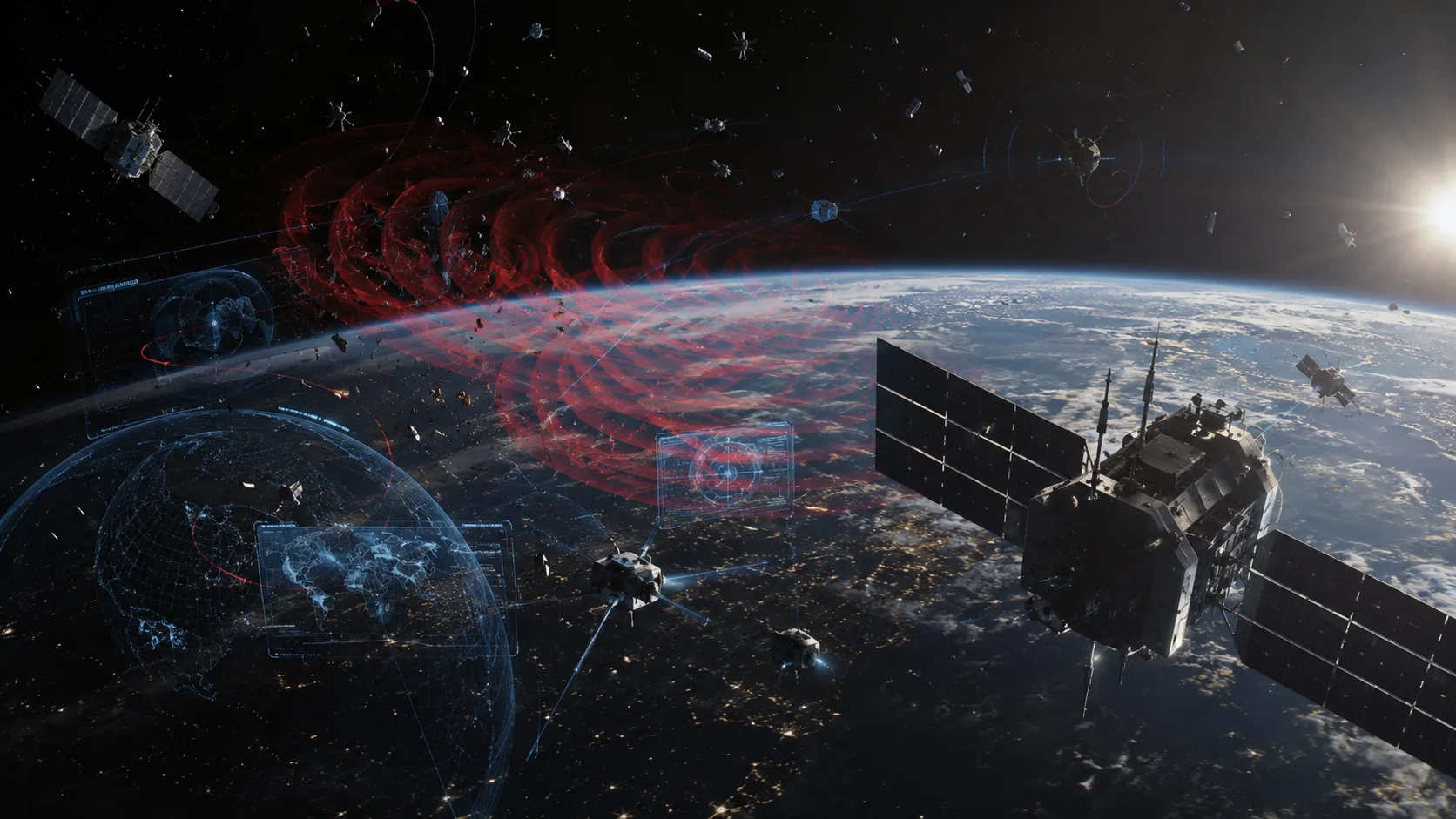
Many satellites serve both civilian and military functions. The same chip that powers a weather sensor can also relay encrypted communications. As nations develop more sophisticated AI‑assisted satellites, the line between peaceful and hostile use blurs further. Watch for announcements about new satellite platforms that claim “dual‑use” capabilities, especially those that promise autonomous maneuvering or rapid re‑orbiting.
Artificial intelligence embedded in on‑board processors allows a spacecraft to detect anomalies, adjust its attitude, or reallocate power without ground intervention. In a contested environment, such autonomy can be decisive: a satellite could quickly dodge an incoming threat or reposition itself into a safer orbital slot. The dual‑use nature of these technologies means that commercial operators may find themselves inadvertently supporting national defense objectives.
4. Treaties and legal frameworks
The Outer Space Treaty of 1967 banned weapons of mass destruction in orbit but did not anticipate the rise of kinetic ASATs or nuclear weapons on satellites. The international community is debating whether to amend or replace this treaty. Any new agreements would need to address the legality of satellite jamming, ASAT use, and debris creation. Keep an eye on diplomatic talks, especially those involving the U.S., China, Russia, and NATO members, that could reshape space law.
Legal frameworks must balance national security interests with the shared nature of orbital space. Questions arise about liability for accidental collisions, the right to defend a satellite versus the obligation to preserve the environment, and how to enforce compliance without compromising strategic secrecy. The outcome of these discussions will set precedents that influence future behavior in orbit.
5. Commercial resilience strategies
Private companies that own constellations, whether for broadband or Earth observation, are already investing in redundancy and collision avoidance systems. Some are exploring ways to reposition assets rapidly to move them out of harm’s way. If the military domain expands, commercial operators may develop countermeasures such as rapid re‑orbiting or hardened shielding. Watch for industry white papers that outline how businesses plan to survive a contested space environment.
Resilience also involves network design: distributing payloads across multiple orbital planes reduces dependence on any single satellite, while ground segment upgrades can provide alternate routing paths if an orbit is compromised. Insurance models are evolving to reflect the higher risk profile, and partnerships between governments and private firms may become more common as each seeks to safeguard critical services.
The quiet tug‑of‑war in orbit is already reshaping global power dynamics. Unlike the Apollo era’s focus on scientific achievement, today’s race centers on who can command the high ground above Earth. The implications ripple from strategic military advantage down to everyday services we take for granted. As nations move forward, the next few years will determine whether space becomes a shared commons or an arena of clandestine conflict.
Sources, References & Attribution
This blog post summarizes and explains ideas reported in the cited source. It is an independent explanatory commentary and does not reproduce the original work’s text, figures, or tables. All rights remain with the respective authors or publishers. Readers should consult the original for full detail.
Primary Source: Washington Post Interactive 2025 Space‑Military Series
Read the original: Original source