🕒 5 min read
Technology is changing the world faster than ever before. One of the biggest changes in recent years is the growth of robotics. Robots are no longer only machines from science fiction movies. Today, they are part of our daily lives. They help people in factories, hospitals, offices, homes, and even on the streets. As artificial intelligence and sensor technologies continue to improve, robots are becoming smarter, safer, and more useful for society.
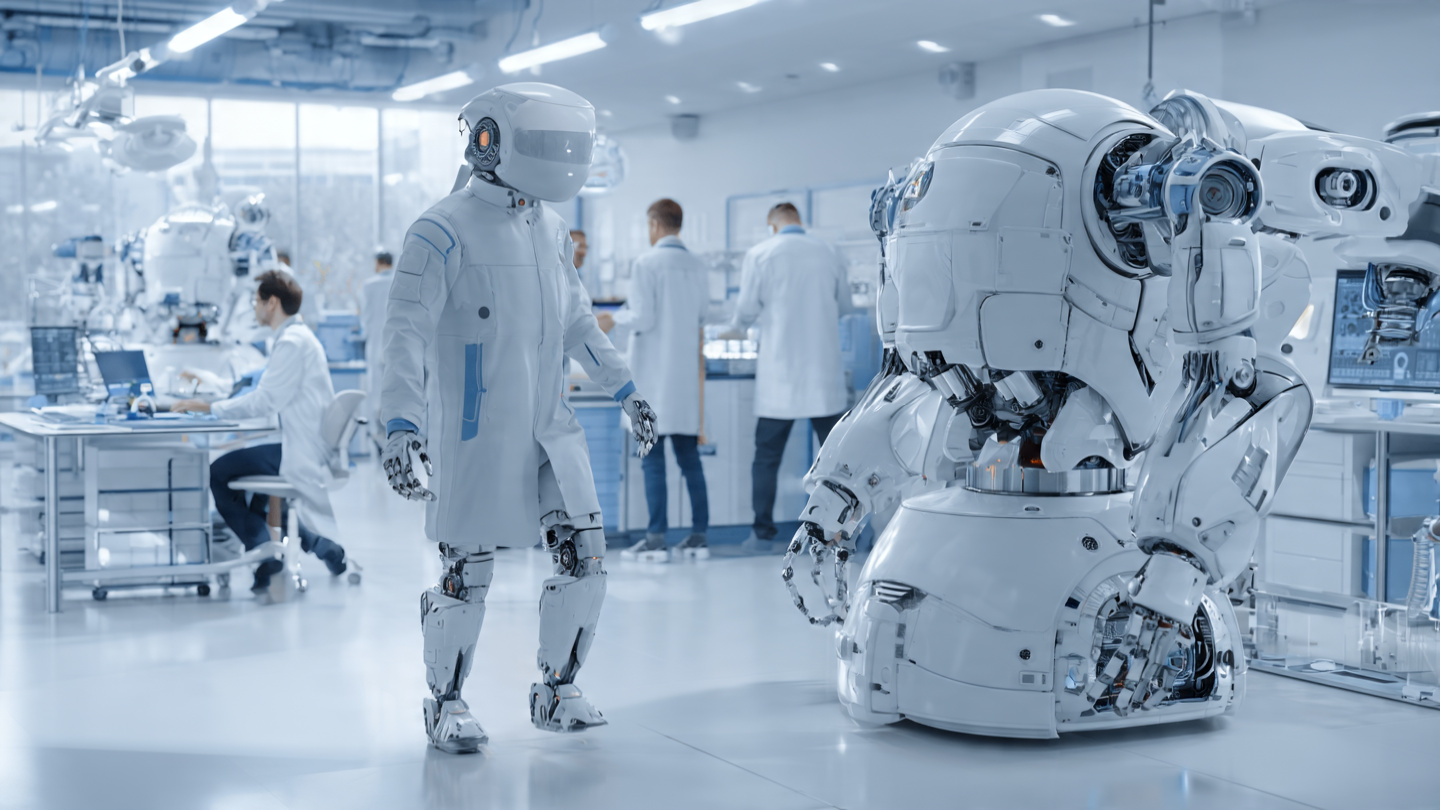
Modern robots can perform tasks that once required human workers. They can move objects, clean spaces, deliver packages, and even assist doctors during medical operations. Some robots are designed to look and move like humans. Others are built for special jobs in dangerous or difficult environments. The future of robotics is not only about machines replacing humans. It is also about humans and robots working together to create a more efficient and productive world.
The Importance of Artificial Intelligence

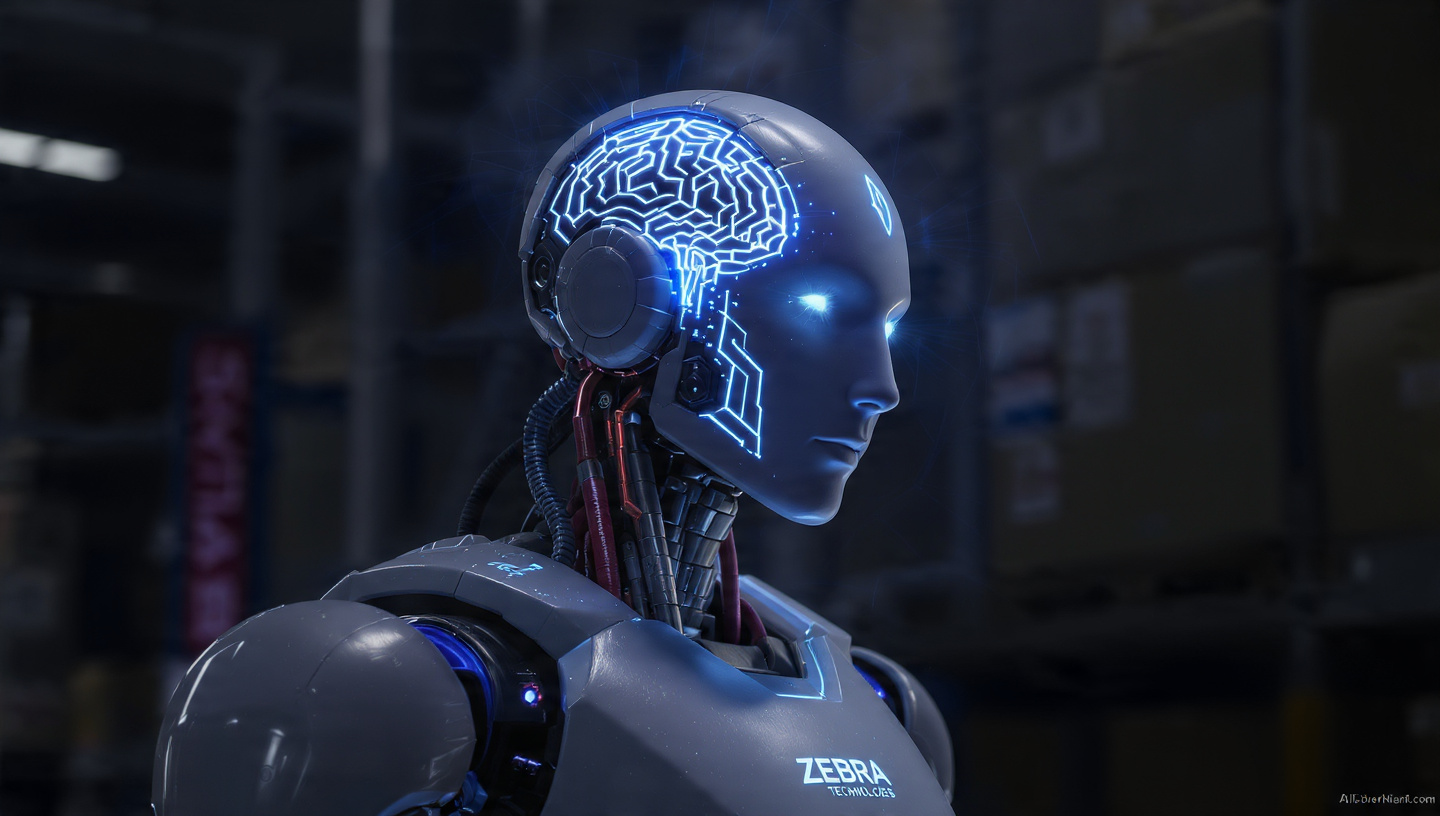
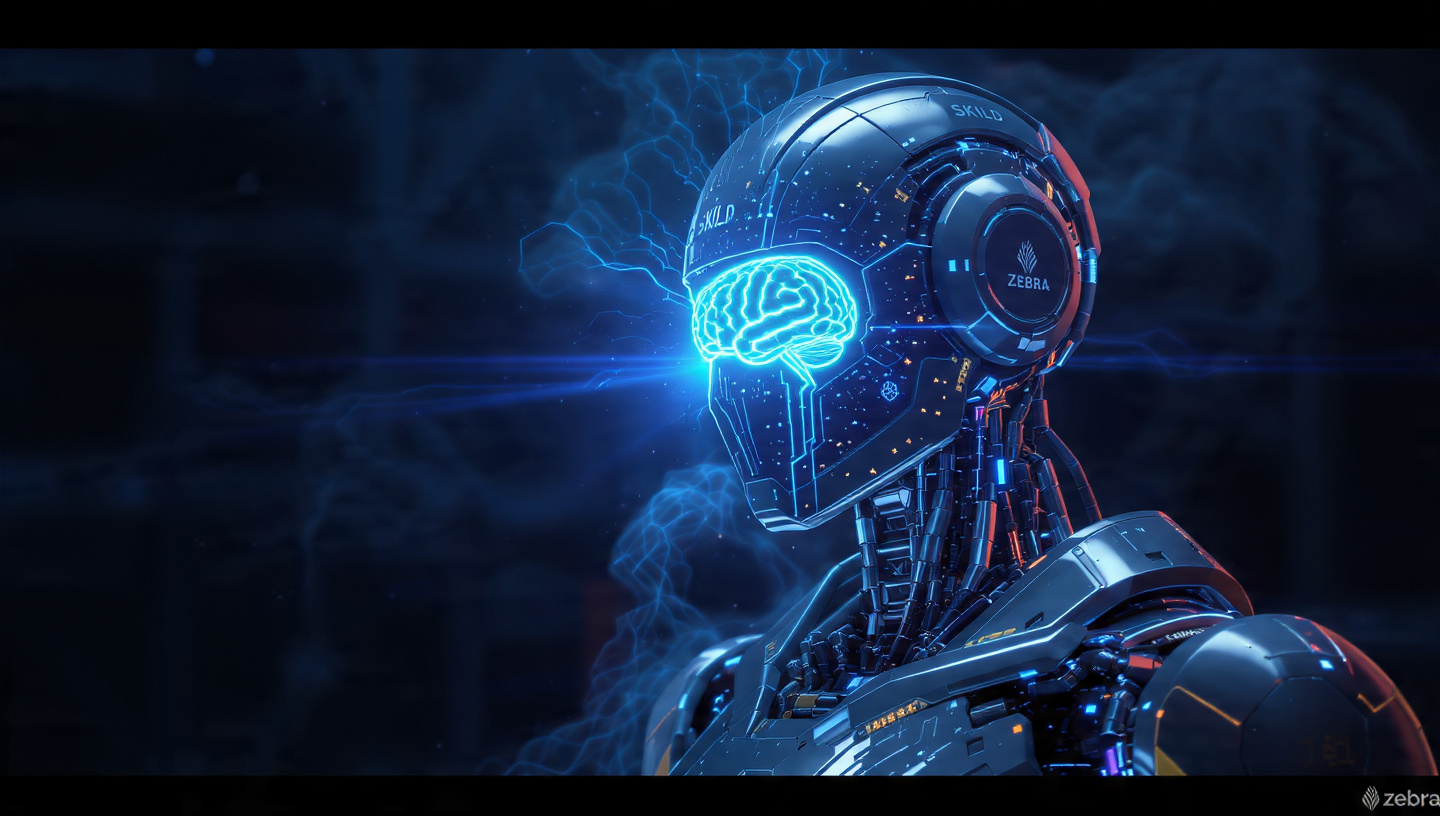
Artificial intelligence, also called AI, is one of the main reasons robots are improving quickly. AI allows robots to learn from data, recognize patterns, and make decisions. Without AI, robots would only follow simple instructions. With AI, they can adapt to new situations and solve problems more effectively.
For example, delivery robots use AI to understand traffic, avoid obstacles, and find the best routes. Cleaning robots can learn the shape of a room and clean more efficiently over time. In factories, robots powered by AI can identify mistakes in products and improve production quality.
AI also helps robots communicate with humans. Voice assistants and smart systems can understand spoken language and answer questions. This creates a more natural interaction between humans and machines. In the future, AI may allow robots to become personal assistants, helping people manage daily tasks, schedules, and even healthcare needs.
Many companies around the world are investing heavily in AI research. They believe AI will become one of the most important technologies of the future. As AI systems become stronger, robots will continue to gain new abilities and perform more complex tasks.
How LiDAR Technology Supports Robots

One of the most important technologies used in modern robotics is LiDAR. LiDAR stands for “Light Detection and Ranging.” It helps robots understand the world around them by using laser light to measure distances. LiDAR creates a detailed 3D map of the environment, allowing robots to move safely and accurately.
This technology is especially important for autonomous vehicles and mobile robots. Self-driving cars use LiDAR to detect roads, buildings, people, and other vehicles. Delivery robots use it to navigate sidewalks and crowded streets. Cleaning robots use it to avoid furniture and walls inside buildings.
LiDAR technology has improved rapidly in recent years. Companies are now producing smaller, faster, and more affordable LiDAR systems. According to recent industry reports, robotic LiDAR shipments increased significantly in 2026 because more industries are adopting smart robotics solutions.
Many robotics companies are focusing on combining AI with LiDAR systems. Together, these technologies allow robots to see, think, and react in real time. This combination is creating new possibilities in industries such as logistics, transportation, agriculture, and healthcare.
Robots in Daily Life
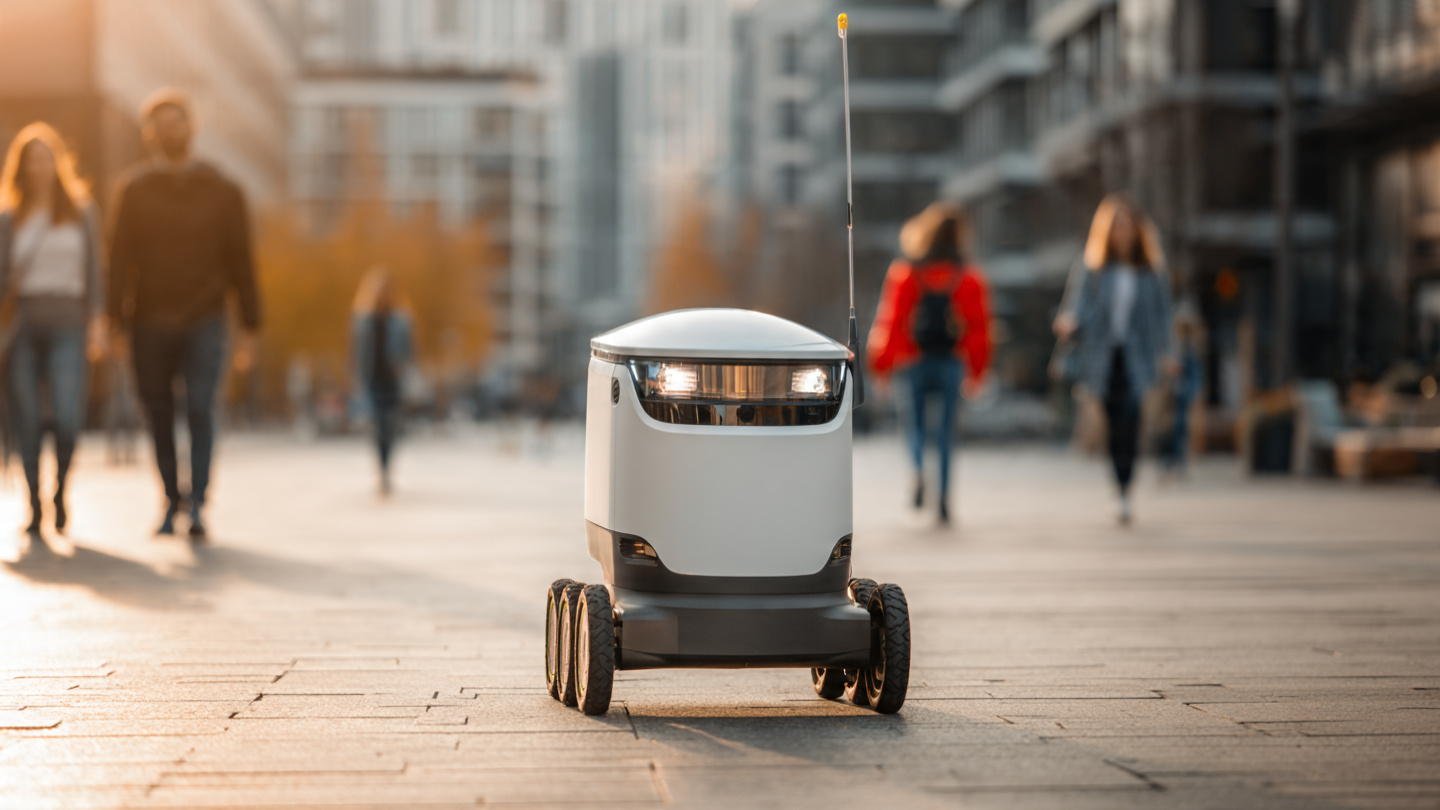
Robots are becoming more common in everyday life. Many people already use robotic vacuum cleaners at home. These devices move around automatically and clean floors without human control. Some advanced models can even empty their own dust containers and create maps of the house.
In restaurants and hotels, service robots help deliver food and supplies. Hospitals use robots to transport medicine and medical equipment. During the COVID-19 pandemic, some hospitals used robots to reduce direct contact between healthcare workers and patients.
Agriculture is another industry benefiting from robotics. Farmers now use robots to plant crops, monitor soil conditions, and harvest fruits and vegetables. These systems help reduce labor costs and improve efficiency. In the future, agricultural robots may play an important role in solving global food supply challenges.
Warehouse automation is also growing quickly. Large companies use robots to move products, organize inventory, and prepare shipments. These robots work day and night, helping businesses deliver products faster and more accurately.
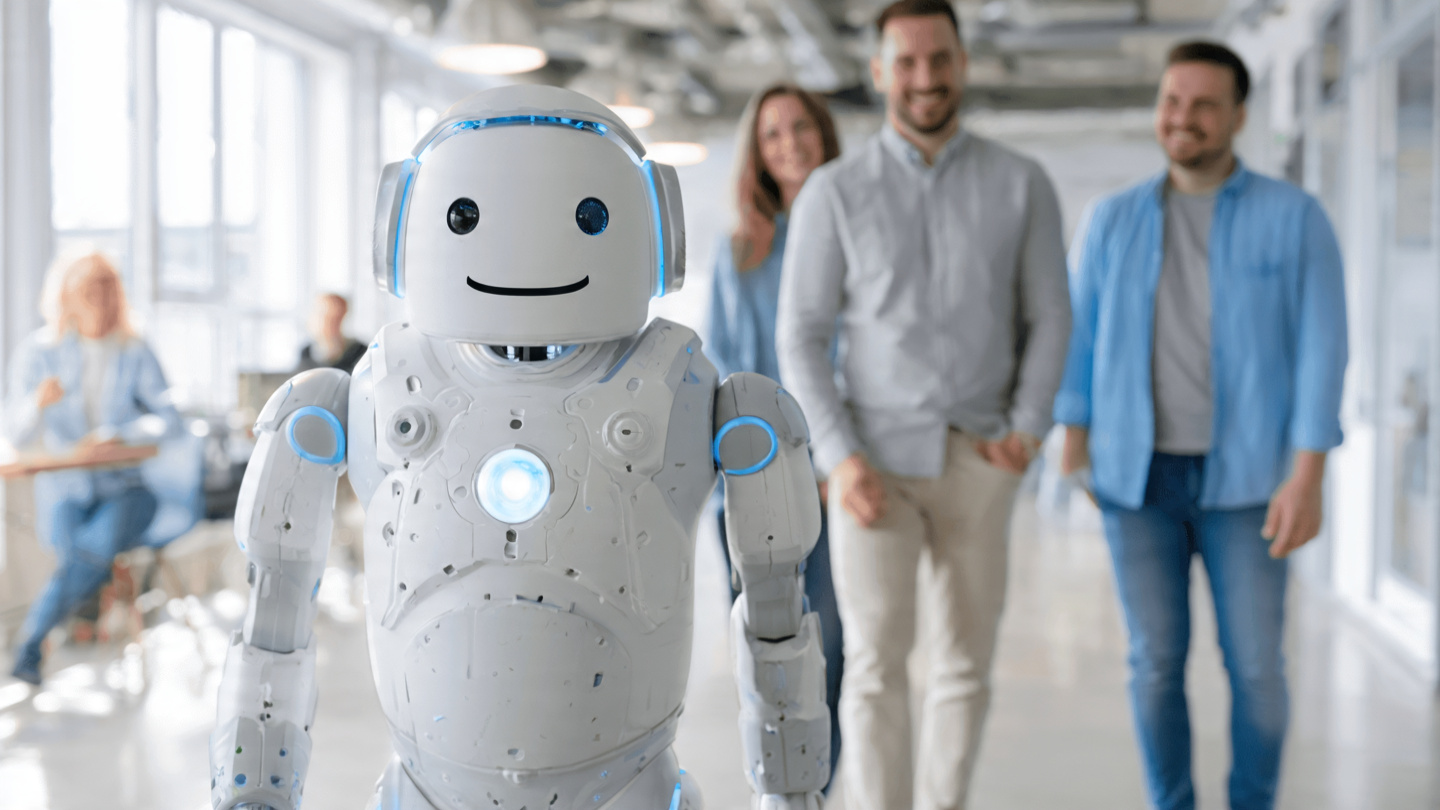
Humanoid robots are another exciting development. These robots are designed to move and interact like humans. Some companies are developing humanoid robots for factory work, customer service, and home assistance. Although these robots are still expensive, experts believe they may become more common over the next decade.
Challenges and the Future of Robotics
Despite the rapid growth of robotics, there are still many challenges to overcome. One major concern is cost. Advanced robots and AI systems are expensive to develop and maintain. Smaller companies may struggle to adopt these technologies.
Another challenge is safety and ethics. As robots become more independent, governments and companies must create rules to ensure they operate safely. People also worry about how automation may affect jobs. Some workers fear robots could replace human labor in certain industries.
However, many experts believe robots will create new opportunities instead of only replacing jobs. New careers in robotics engineering, AI development, maintenance, and data analysis are already growing. Humans and robots are expected to work together rather than compete directly.
Cybersecurity is also important. Smart robots connected to the internet can become targets for hackers. Protecting robotic systems from cyberattacks will become essential as more industries rely on automation.
The future of robotics looks extremely promising. Experts predict that robots will become more affordable, more intelligent, and more accessible in the coming years. Advances in AI, sensors, batteries, and computing power will continue to improve robotic performance.
In the future, robots may help elderly people live independently, support environmental protection projects, and assist in space exploration. Some researchers are even developing robotic systems for underwater research and disaster rescue missions.
The robotics revolution is only beginning. Around the world, companies and governments are investing billions of dollars into robotics and AI technologies. As innovation continues, robots will likely become one of the most important tools shaping the future of human society.