🕒 5 min read
The latest wave of Samsung’s smartwatch lineup is almost ready for the shelves. In mid‑June China’s State Administration for Market Regulation posted that both the Galaxy Watch 9 and its more rugged cousin, the Ultra 2, have earned 3C certification, a prerequisite for any consumer electronics sold in that country. The approval signals that the devices are finishing final safety tests, mass production is on the horizon, and a global Unpacked launch is slated for July 2026.
What actually changed (specs / price / date in plain terms)
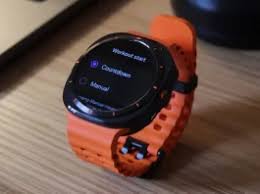
Samsung’s new watches bring three core updates that most buyers will notice: a fresh processor, a noticeably larger battery, and deeper integration of health‑monitoring AI. The 3C certificate confirms that the devices already meet China’s electrical safety standards; no full technical sheet has yet been released. Pricing is still under wraps, but analysts expect it to follow the pattern set by last year’s launch: the Watch 9 around $250, $280 and the Ultra 2 in the $350, $380 range.
Who should care and New Galaxy Watch 9
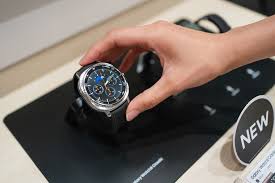
The primary audience is anyone who uses Samsung’s ecosystem and values continuous health data. Fitness enthusiasts will appreciate the upgraded biometric sensors and new exercise‑tracking algorithms. Outdoor adventurers, hikers, divers, marathon runners, will benefit from the Ultra 2’s titanium frame, 10 ATM water resistance, and dual‑frequency GPS that promises more accurate positioning even in rugged terrain.
What to weigh
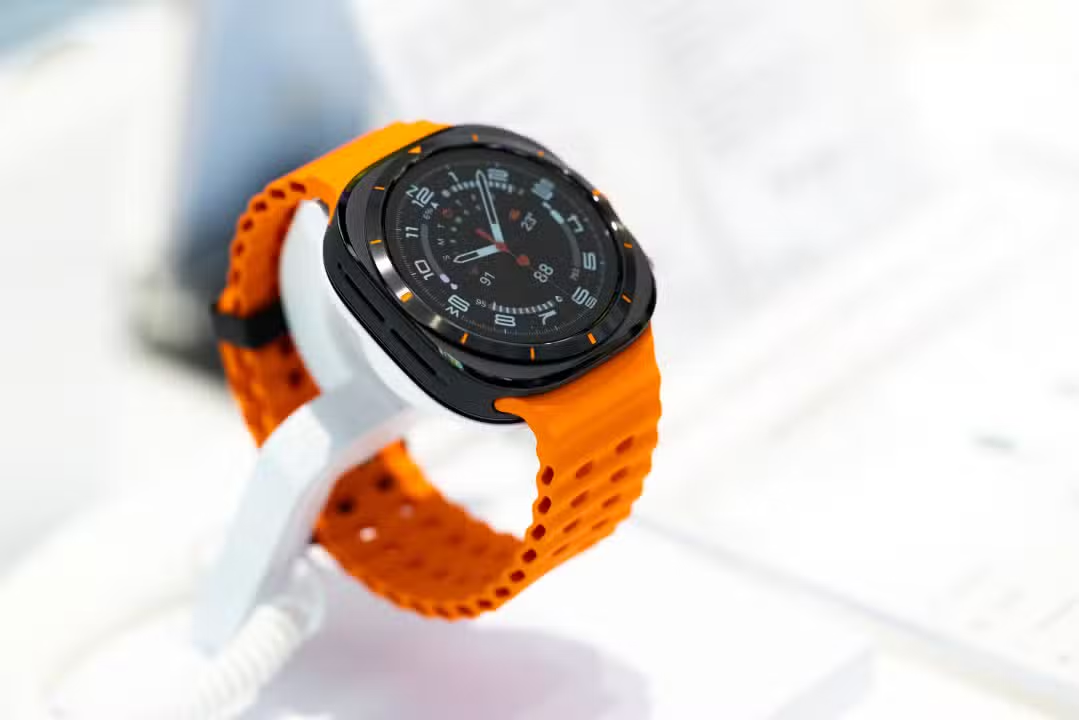
Buyers should note that Samsung is focusing on incremental gains rather than a radical redesign. The watch form factor remains largely unchanged: a circular case with thin edges and a larger screen area thanks to slimmer bezels. The processor, likely an updated Exynos or Snapdragon Wear Elite, promises faster app launches and smoother multitasking. Battery life improvements are touted as “significant” but the company has not yet quantified them; early reports suggest the Ultra 2 will last up to two days on a single charge under heavy use.
The Classic variant’s return is still speculative. If it returns with a rotating crown and stainless‑steel bezel, it would appeal to users who prefer a more traditional look, but that model’s price could push beyond $400.
Alternatives
Apple’s latest Watch Series 9 offers similar health sensors and an Apple‑only ecosystem. Garmin’s Fenix 7 series remains the benchmark for outdoor durability, while Fitbit’s Versa 5 provides a mid‑range price point with comparable biometric features. Samsung is positioning its new watches as a middle ground: more robust than the current Galaxy Watch 4 but less expensive than high‑end adventure models from other brands.
Concrete practical details tied to the source
Regulatory milestones and launch timing
The 3C certification appears in China’s public database with serial numbers that match those of the Galaxy Watch 9 and Ultra 2, confirming that internal architecture has already been finalized by Samsung engineers. The approval process typically concludes four to eight weeks before a global announcement; the July Unpacked event will likely be held at the same venue as last year’s mid‑summer launch. China’s certification also triggers parallel approvals in other markets, Brazil’s Anatel and the U.S. FCC usually follow suit, allowing Samsung to ship globally with minimal additional paperwork.
Processor, battery, and design
Samsung has reportedly shifted from its previous Exynos chip to either an updated Exynos or a Snapdragon Wear Elite processor, aimed at reducing latency when opening apps or recording workouts. The new silicon will also support higher‑resolution sensor data for the watch’s biometric suite. Battery capacity is expected to increase by roughly 15, 20 %, with the Ultra 2 boasting a larger cell than its predecessor. Despite these changes, Samsung maintains the classic circular case shape but makes it slimmer; edges are thinner and more of the front surface is dedicated to the display. The company plans to deepen integration across its smartphone, headphone, and smart‑home ecosystems, allowing seamless notifications, contactless payments, and remote control of other devices.
Ultra 2 durability and performance
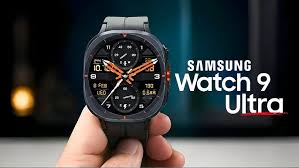
The Ultra 2’s chassis will be built from titanium alloy, a material chosen for its high strength-to-weight ratio. It meets the MIL‑STD‑810H military standard for environmental resistance and is rated 10 ATM for water protection, adequate for diving up to 100 meters. Its display will use an ultra-bright panel designed for readability under direct sunlight, addressing a common complaint among outdoor users of prior models. The watch’s software stack adds several new metrics: muscle‑recovery indicators based on heart‑rate variability, customizable training zones, and dual-frequency GPS that improves accuracy in challenging environments such as dense forests or urban canyons.
AI-driven health monitoring
Samsung’s new watches will employ refined optical photoplethysmography and electrical impedance sensors to measure blood oxygen saturation, stress levels, body composition, and sleep stages with higher precision. The operating system, Wear OS developed jointly with Google, will interpret this data through an AI layer that offers personalized wellness guidance. For example, the algorithm may suggest a rest day after a particularly intense workout or alert users to irregular heartbeat patterns detected during nightly monitoring. These features are built on the same platform that powers Samsung’s existing health apps, but the added intelligence could set a new benchmark for consumer wearables.
Market rollout and pricing expectations
The July Unpacked event will likely coincide with the launch of the Galaxy Z Fold 8 and Z Flip 8 smartphones, creating a cohesive narrative around Samsung’s “full‑stack” approach. Retailers in Brazil are expected to receive their first stock shortly after the broadcast, a pattern that has held for previous releases. While no official price list is available, analysts note that Samsung tends to keep prices within 5, 10 % of last year’s figures once inflation adjustments are made.
Samsung’s strategy, as inferred from the source, leans heavily on incremental improvements rather than radical redesigns: a more efficient processor, better battery life, and stronger durability for the Ultra 2. The company also appears to be preparing for a fully integrated ecosystem, with Wear OS enabling contactless payments, smart‑home control, and a richer app store.