🕒 5 min read
Picture scrolling through your feed and having a smart assistant suggest replies, images, or schedule events without leaving the app. In April 2026 Meta announced Muse Spark as the new face of its AI strategy, a move that signals a broader shift toward social intelligence. The company unveiled the model on its own site, tying it to an array of products from WhatsApp to AI glasses.
Social Intelligence: Embedding AI into Everyday Connections

From Open Models to Integrated Assistants
For years Meta’s open‑source Llama line had been the go‑to for researchers and developers who wanted a powerful language model without the cost of proprietary APIs. The fourth iteration, released in April 2025, was meant to push Meta ahead of rivals like OpenAI’s ChatGPT and Anthropic’s Claude. However, many reviewers found that Llama 4 still lagged behind those models in fluency, nuance, and real‑time responsiveness.
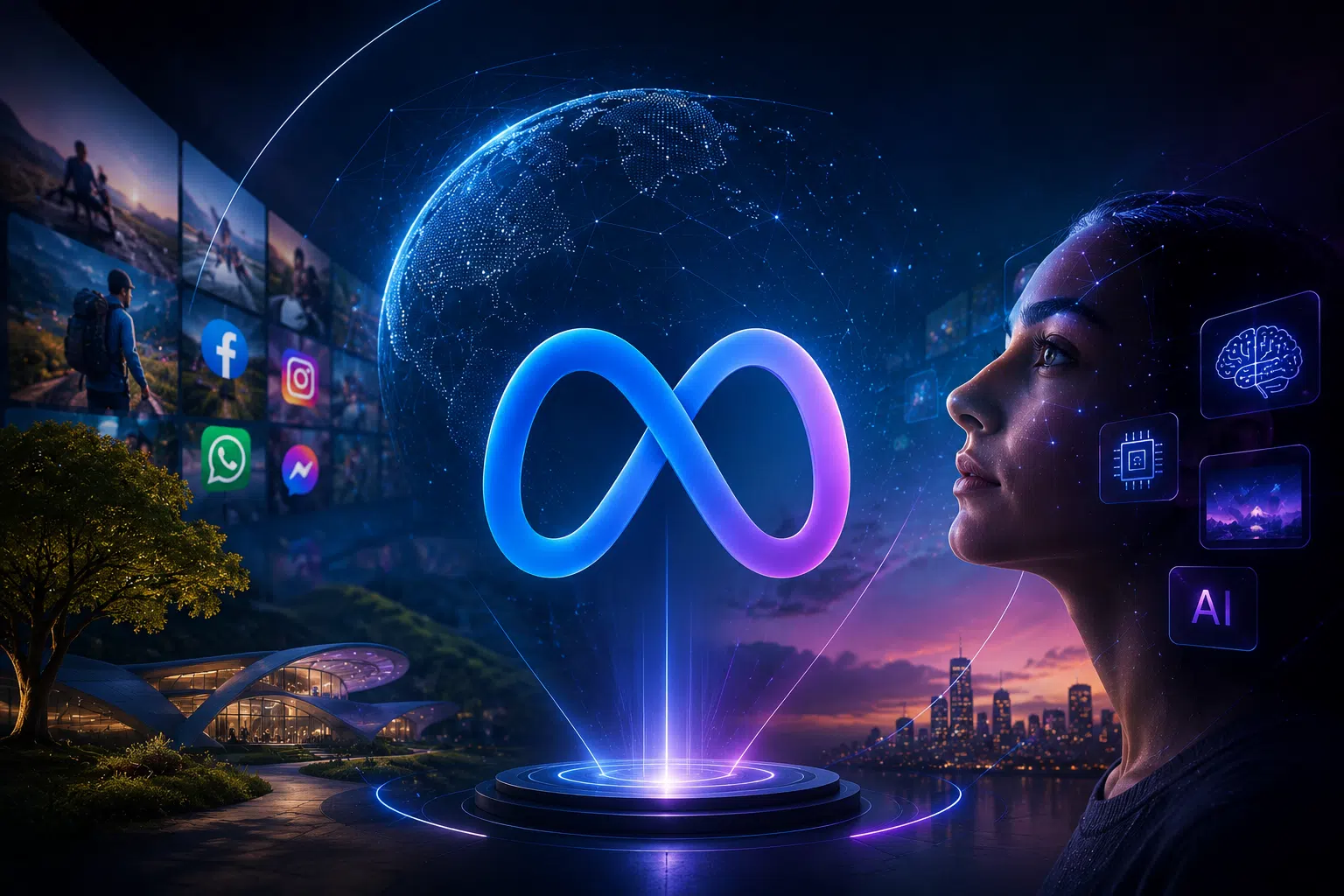
Instead of chasing the same benchmark again, Meta flipped its strategy. It put Muse Spark, the first model from its new Meta Superintelligence Labs, into production as a ready‑made engine for consumer products. The shift moves the company away from simply offering an open model to researchers toward building an integrated assistant that lives inside Meta’s own services. Muse Spark powers the Meta AI app and becomes the brain behind virtual assistants across WhatsApp, Instagram, Facebook, Messenger, and even the company’s website.
Capitalizing on Scale and Talent
Meta is not just rolling out a new model; it is reshaping its AI organization to support that vision. In one of the largest bets in the industry, Meta invested $14.3 billion for a 49% stake in data‑labeling firm Scale AI. The deal brought Scale’s CEO, Alexandr Wang, into Meta as Chief AI Officer and head of Superintelligence Labs.
At the same time, Meta acquired Manus AI, a startup that builds autonomous “agents” capable of planning and executing multi‑step tasks with minimal human input. By folding Manus into WhatsApp and the Meta AI app while keeping it available as a standalone subscription product, Meta signals its intent to move beyond simple text generation toward real‑world action. The combination of deep talent, massive investment, and a focus on agentic behavior sets the stage for an ambitious push.
Social Fabric as the Deployment Layer

Muse Spark is being deployed across every surface where billions of people already spend time. In WhatsApp it can suggest replies in group chats or draft messages based on context. On Instagram it can generate captions or help users pick images that match a mood. In Facebook’s news feed, the model pops up next to posts, offering quick answers to questions buried in comments or turning text into short videos. Messenger sees the assistant as an inline helper that can schedule meetings, set reminders, or pull up relevant documents, all without leaving the conversation thread.
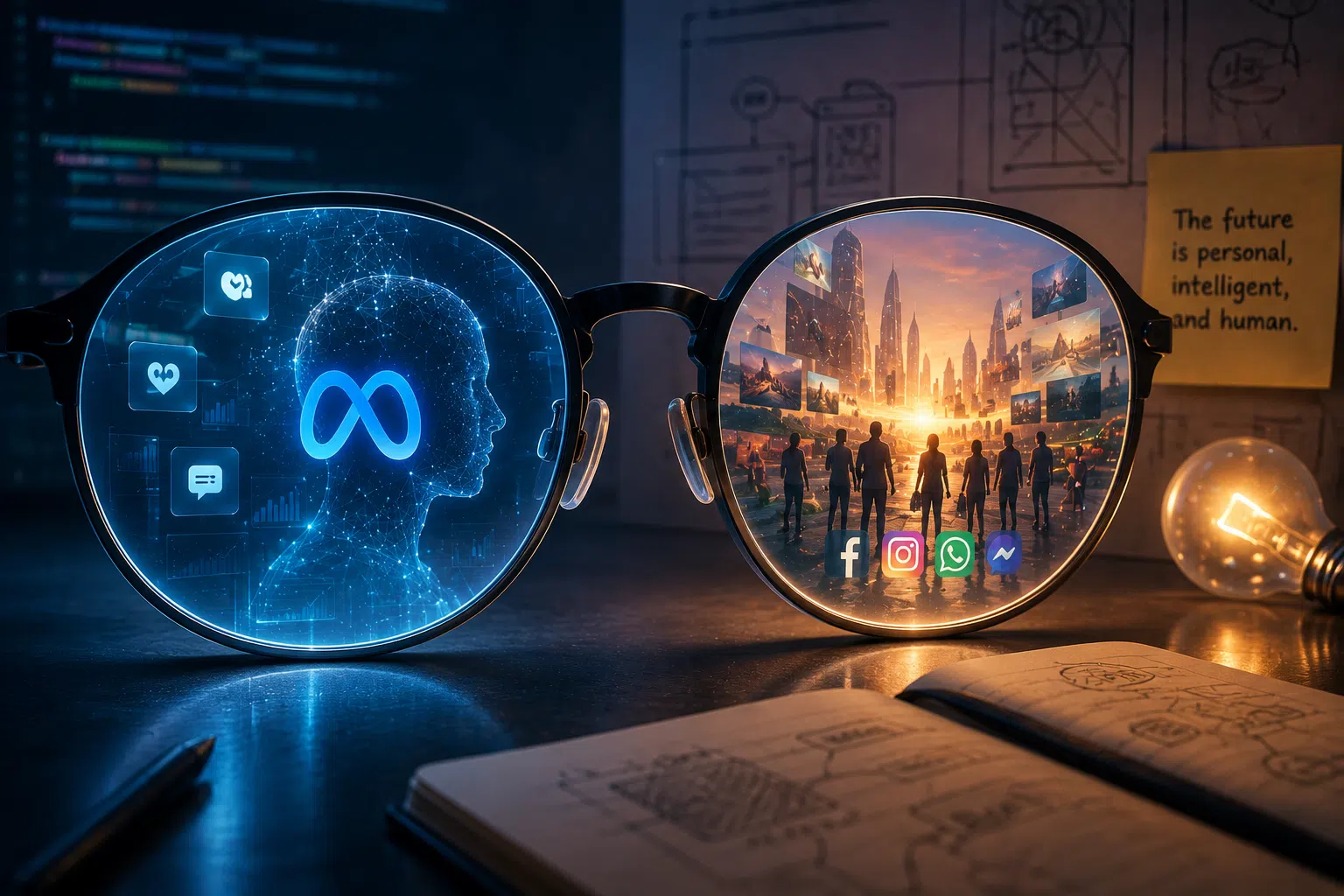
The AI also appears on Meta’s website and even on a pair of AI glasses that the company is developing. In those scenarios, the assistant listens to spoken questions, interprets visual cues from the wearer’s surroundings, and delivers answers in real time. By embedding itself into familiar touchpoints, Muse Spark turns AI from a separate chatbot experience into an invisible collaborator that lives inside everyday social interactions.
The core idea behind this approach is “personal superintelligence.” Zuckerberg has described it as an AI layer that follows a user across devices and apps, acting like a personal operating system. Instead of having to switch to a new app for help, the assistant stays with you, remembers your preferences, and anticipates what you need next.
Where This Leads
Meta’s ambition is not about beating single‑task benchmarks; it’s about reach. If Muse Spark can reliably draft messages, answer questions, generate images, or schedule meetings inside existing feeds, it could set a new standard for ambient AI. The company’s hardware push, AI glasses that see and hear the world, offers an always‑available assistant that competes with phone‑bound rivals.
However, the plan carries significant risks.
First, trust and privacy loom large. An assistant embedded in private messages raises questions about data use, profiling, and consent. Meta’s history of ad‑targeting controversies may amplify user skepticism. Past coverage in 2025 highlighted backlash over scam ads on Meta’s platforms; similar concerns could surface if users feel the AI is collecting or misusing their personal information.
Second, execution matters. Llama 4’s lukewarm reception shows that building a high‑quality model is hard. The Muse Spark rollout could falter if performance lags or if users feel the assistant intrudes on their conversational flow. For example, an overly eager suggestion in a group chat might come across as spammy; a poorly timed image generation request could clutter a feed.
Third, user acceptance will decide whether the AI becomes a helpful tool or a source of friction. A cluttered feed with unsolicited suggestions may push people away. Meta will need to strike a delicate balance between proactive help and respecting users’ desire for control over what appears in their feeds.
If Meta succeeds, social intelligence could become the default mode for digital communication. Users would interact with an invisible collaborator that anticipates needs and streamlines routine tasks. Competitors might follow suit, integrating agents into messaging apps or launching their own ambient assistants. If it fails, Meta risks eroding trust in its platforms, damaging user engagement, and losing ground to rivals that keep AI separate from core social experiences.
Meta’s journey illustrates a new chapter in AI deployment: not a standalone chatbot but an assistant woven into the fabric of everyday connections. Whether this bet pays off remains to be seen, but it marks a decisive step toward making artificial intelligence a pervasive companion in our digital lives.
Sources, References & Attribution
This blog post summarizes and explains ideas reported in the cited source. It is an independent explanatory commentary and does not reproduce the original work’s text, figures, or tables. All rights remain with the respective authors or publishers. Readers should consult the original for full detail.
Primary Source: Meta’s April 2026 announcement of Muse Spark and Meta Superintelligence Labs
Read the original: Original source