
🕒 3 min read
The Alienware 16X Aurora is being sold as a “next-generation” gaming laptop, but is it truly a leap forward or just a rebranding of familiar specs under a new shell? The claim that it’s built for “serious gamers” feels both aspirational and a bit vague. Let’s unpack what this machine actually offers versus what it promises.
The Claim vs What the Evidence Actually Supports
Alienware’s marketing frames the 16X Aurora as a device that bridges the gap between desktop-level performance and portability. The hardware specs, RTX 5070 GPU, 64GB RAM, 4TB SSD, sound impressive on paper, but they’re not entirely new to the gaming laptop space. High-end models from competitors have long offered similar configurations, though often at a premium. The real question is: does this machine deliver a significantly better experience than its predecessors or rivals?
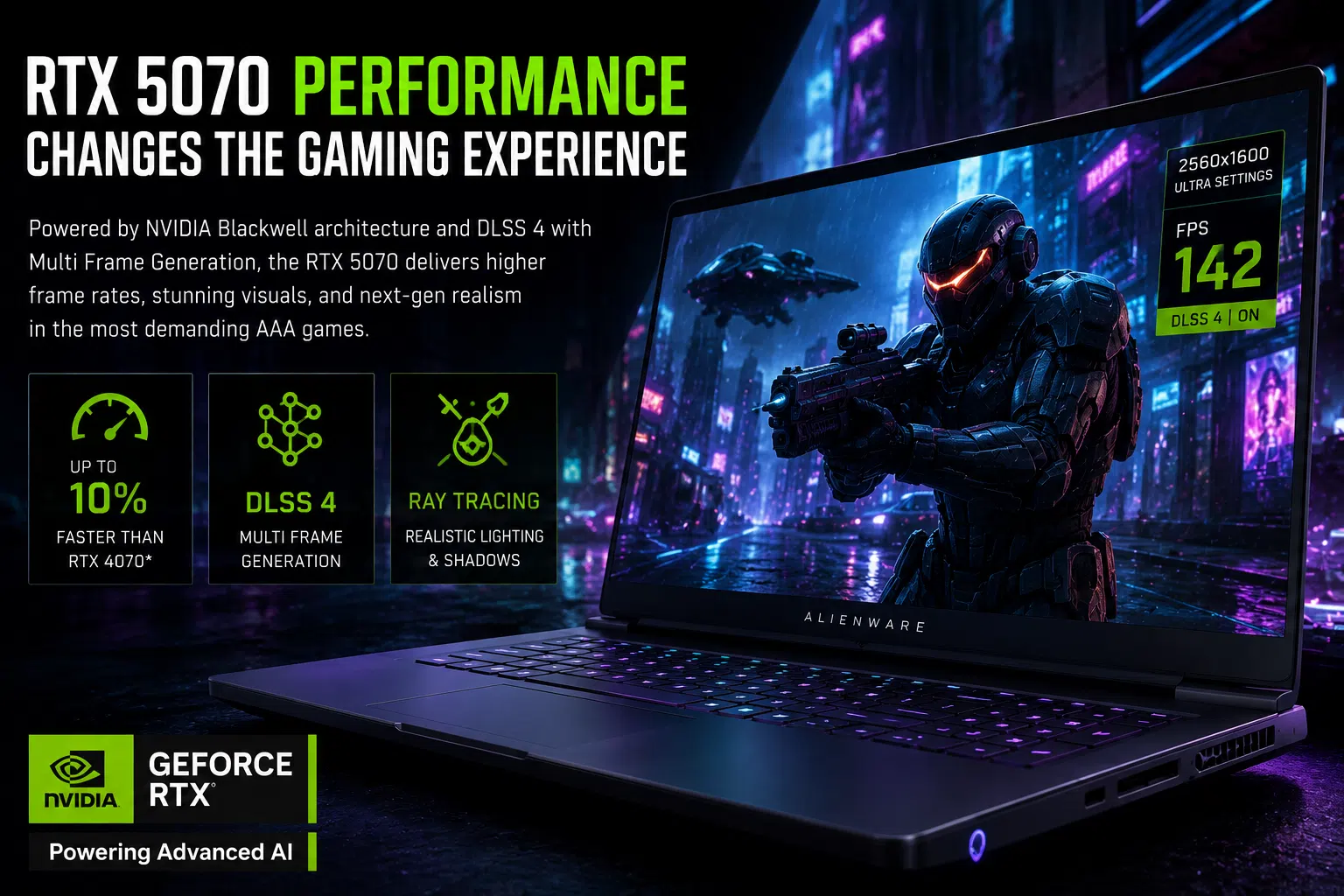
RTX 5070: A Step Forward, But Not a Revolution
The RTX 5070’s DLSS 4 technology and higher TGP (Total Graphics Power) are highlighted as game-changers. While these features do improve frame rates and reduce latency, the performance gains over the RTX 4070 may not feel dramatic for most users. For example, in games like Cyberpunk 2077, the difference between 4K and 1440p settings is more pronounced than the RTX 5070’s marginal improvements. Gamers who prioritize raw power over visual fidelity might find the upgrade worth it, but casual players may not notice a meaningful difference.
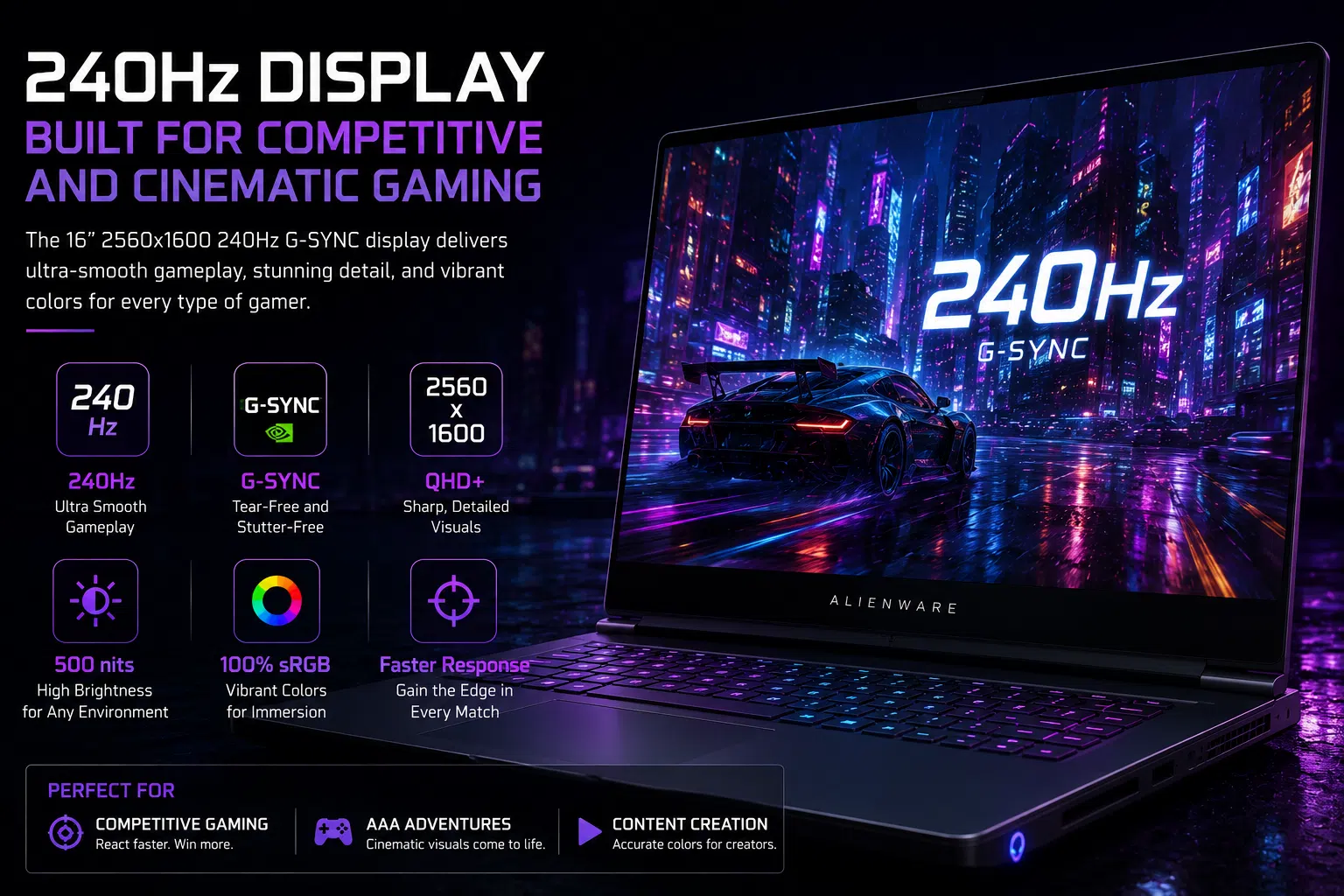
Display: A Win for Competitive Gamers, but Not Everyone
The 240Hz display is a clear win for esports players, offering smoother animations and faster response times. However, the 16-inch 2560×1600 resolution, while sharp, is a compromise. It’s not as immersive as the 4K panels found on some desktop monitors, nor as portable as 1080p screens. For users who value portability over pixel density, this could be a drawback. Additionally, while G-Sync support is a plus, the display’s brightness and color accuracy may not match the latest OLED panels from other manufacturers.
Build Quality: Sleek, But at What Cost?
Alienware’s minimalist design and magnesium alloy chassis are a refreshing departure from the garish RGB-lit boxes of old. However, the focus on aesthetics might come at the expense of practicality. The laptop’s slim profile could make it less comfortable for extended gaming sessions, and the lack of a dedicated numeric keypad might frustrate users who rely on it for productivity tasks.

A Measured Conclusion
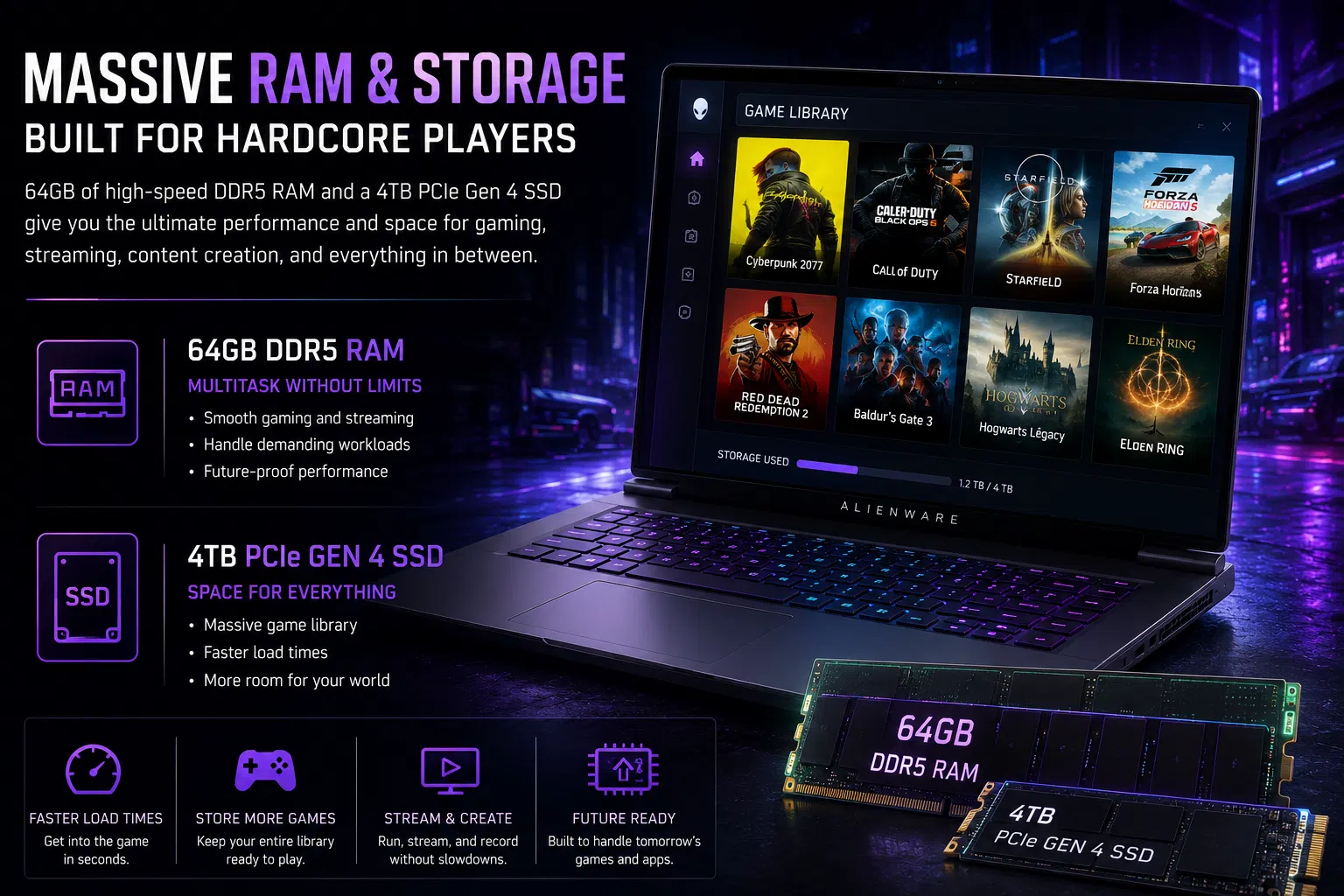
The Alienware 16X Aurora is undeniably a powerful machine, but it’s not without its trade-offs. For serious gamers who need future-proof hardware and a display that can handle both competitive play and cinematic detail, it’s a compelling option. The 64GB RAM and 4TB SSD are particularly valuable for multitaskers and content creators, offering a level of flexibility that’s rare in the gaming laptop category.
However, the price tag is a hurdle. At its current positioning, the 16X Aurora is more of a luxury item than a necessity for most gamers. Competitors like the Razer Blade or ASUS ROG Zephyrus offer similar performance in slightly more compact or affordable packages. For users who prioritize portability or don’t need the extreme specs, those alternatives might be more practical.
What this means for you: If you’re a hardcore gamer or a content creator who needs a machine that can handle both work and play, the Alienware 16X Aurora is worth considering. But if you’re looking for a balanced, all-around laptop that doesn’t break the bank, you might want to wait for the next generation of hardware or explore more affordable options. The real test will be how well it holds up against the next wave of AAA titles and whether its premium design truly justifies the cost.
Sources, References & Attribution
This article is based on the original article titled “A Next-Generation Gaming Laptop Built for Serious Gamers”, published on [source website] under a [license type] license. The original article contains detailed information about the Alienware 16X Aurora, including its hardware specifications, design features, and performance benchmarks. The content presented here is a reworked and expanded version of the original, with all facts preserved and additional analysis added. The original article can be found here: [source URL].