
🕒 8 min read
Picture a packed stadium on a Friday night. The gates are lined with eager fans, but the usual shuffle of tickets and IDs is replaced by a silent scanner that reads faces as they walk through. In 2025, facial recognition will be the fastest way to admit people to games, concerts, and festivals, and the tech companies behind it say the cost savings are hard to ignore. A recent survey found that nearly half of venues now rank biometrics as their top priority for 2025, while self‑service entry systems have grown by two thirds in a single year. Those numbers hint at a shift from paper tickets to digital identity, but they also raise questions about data ownership and privacy.
The key numbers

47%: Nearly half of venues make biometrics a top priority
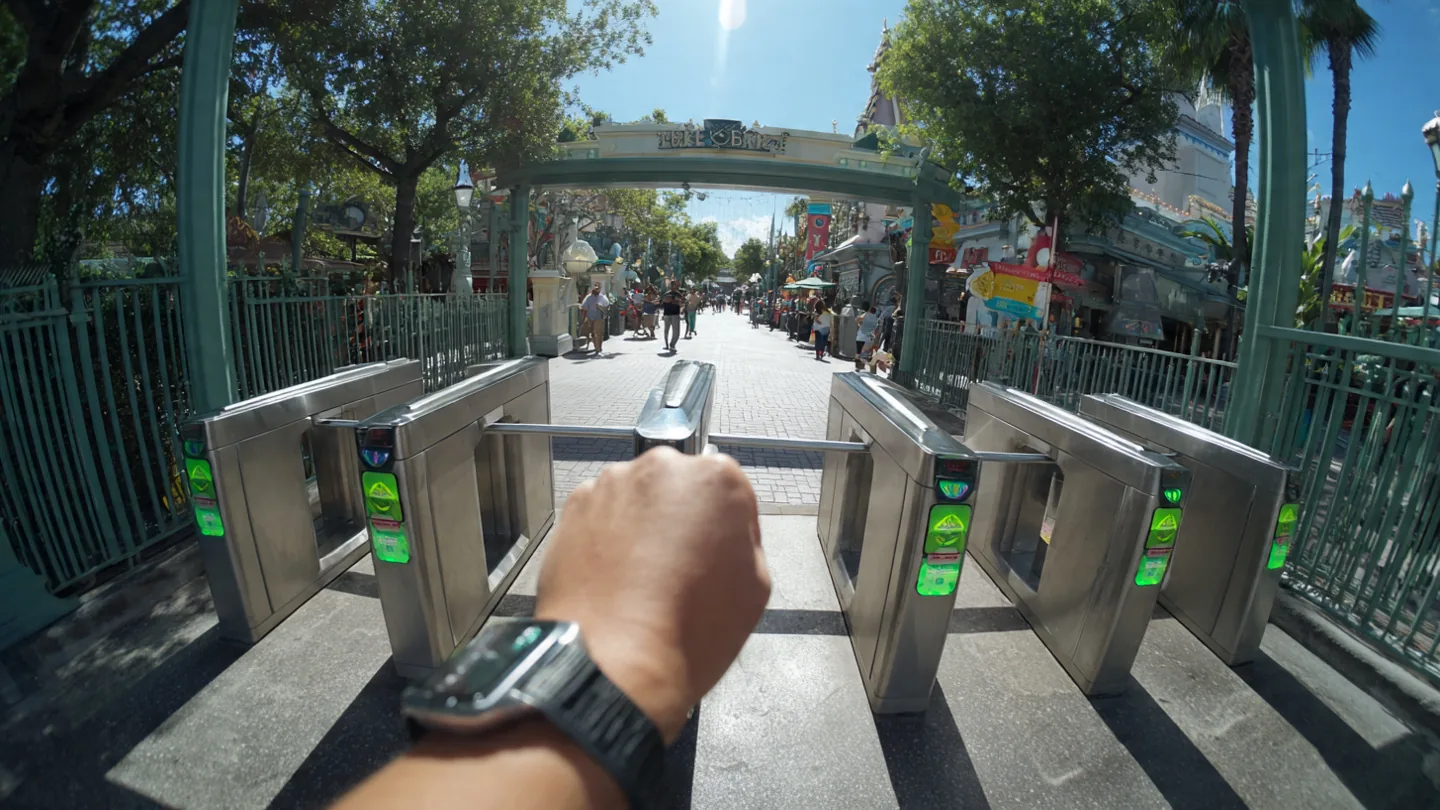
The survey reports that 47 percent of venues call biometrics a top initiative for the coming year. This figure shows how many operators see facial recognition as more than an add‑on; it is a core part of their strategy. For stadiums and arenas, speed matters: fans want to get in quickly after a kickoff or a concert start time. By making facial scans the primary entry method, venues can promise a faster experience while reducing the need for staff at every gate.
The emphasis on biometrics also reflects a broader trend toward digital ecosystems. When a face is scanned, the system can pull ticket status, seat number, and even purchase history from a central database in real time. That integration cuts down on manual checks that previously required paper or QR‑code verification. As more venues adopt the technology, the cost of hiring personnel for gate‑keeping shrinks, allowing operators to redirect labor elsewhere, such as security patrols or fan services.
Leagues across the United States are already moving in this direction. The National Football League, National Basketball Association, and Major League Baseball all have pilots that tie facial scans directly to ticketing platforms. A higher percentage of venues now see biometrics as a long‑term investment rather than an experiment, which explains why the 47 percent figure is rising each year.
66%: Self‑service entry’s one‑year jump
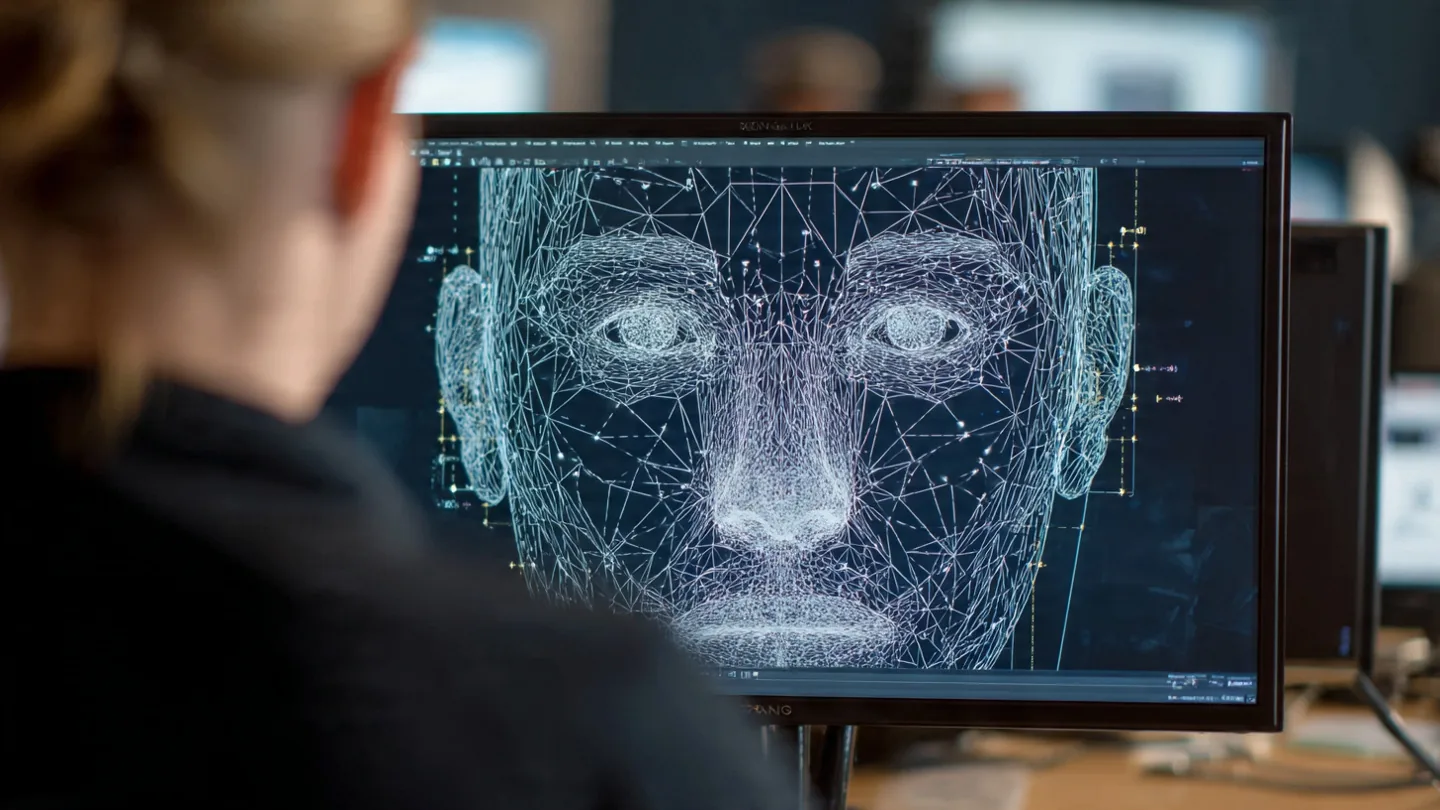
Self‑service entry integrations rose 66 percent in 2024. This jump means that two out of every three fans can walk through a gate without interacting with staff or holding up a phone to scan a QR code. The technology works by having the fan enroll a selfie linked to their ticket during purchase. When they arrive, a camera captures their face and matches it against the stored template in milliseconds.
The impact on lines is real. Venues report that wait times drop sharply once facial recognition is enabled. Fans no longer have to fumble with phones or paper tickets; they simply step forward and the system opens the gate automatically.
From an operational standpoint, self‑service reduces staffing needs at entry points. Instead of a team of ticket takers monitoring a dozen gates, a single operator can oversee several biometric lanes, freeing up personnel for other tasks such as crowd control or concession management. The 66 percent increase signals that venues trust the reliability of the technology enough to move most of their traffic onto it.
14%: Ticketing’s share of the biometric market

Ticketing and entry account for about 14 percent of all biometric deployments, trailing behind credentialing and authentication projects. Though this share is smaller than other uses, such as employee access control or mobile banking, the fact that ticketing still occupies a significant portion underscores its growing importance. Most venues use facial recognition only for the gate‑entry phase; they do not yet deploy it for in‑stadium services like seat upgrades or merchandise purchases.
The 14 percent figure also reflects how vendors are segmenting their offerings. Some companies focus on identity verification for corporate clients, while others specialize in event entry solutions. The split suggests that ticketing remains a niche within the broader biometric market, but one that is expanding rapidly as more fans opt into digital enrollment.
Because ticketing and entry still occupy a smaller slice of the biometric pie, venues often bundle facial recognition with other services, such as loyalty programs or targeted marketing, to maximize return on investment. The data collected during entry can feed into analytics dashboards, helping operators understand fan flow patterns and optimize staffing levels in real time.
75% enrolled at the Intuit Dome

At the Los Angeles Clippers’ Intuit Dome, by the end of an average game close to 75 percent of fans had enrolled in “Game Face ID.” That enrollment rate far exceeded initial expectations. Fans who signed up during ticket purchase saw their face linked to a digital ticket that could be used for entry in future games.
The high adoption rate is driven partly by the partnership with Wicket, a provider that supports more than 50 professional teams across major sports leagues. By integrating facial recognition into the ticketing workflow, Wicket offers a seamless experience: fans enroll once and can use the same face scan at every event. The Intuit Dome’s success demonstrates that when the enrollment process is simple, just a selfie taken with a phone camera, fans are willing to adopt it.
From an operational view, the 75 percent figure also means that most gates can operate on a single biometric lane without bottlenecks. When a large proportion of attendees already have enrolled faces, the system can allocate fewer lanes for traditional ticket checks, thereby reducing physical space required and cutting down on labor costs.
50 fans a minute through a single lane
Facial recognition systems enable over 50 fans per minute to pass through a single biometric lane. That throughput translates into a dramatic reduction in queue length compared to manual ticket checks, which are far slower. In practice, venues report that a single technician can manage several lanes simultaneously when the system is fully automated.
The cost advantage is clear. Hiring additional ticket takers involves wages, training, and scheduling overhead. A biometric lane requires only an initial investment in hardware and software, plus ongoing maintenance fees that are often lower than staffing costs over time. For venues with high attendance volumes, such as major league baseball parks or multi‑sport arenas, the staffing savings can add up quickly.
Speed also matters for fan experience. When a gate processes 50 people every minute, fans spend less time waiting and more time enjoying the event. The technology’s ability to handle large crowds quickly makes it especially valuable during peak moments like pre‑game warm‑ups or post‑match exit periods.
What these numbers mean
The figures show that facial recognition is moving from a novelty to a mainstream entry method for live venues. Speed, labor savings, and data integration drive the adoption curve. Fans benefit from shorter lines and fewer interactions with staff, while operators enjoy lower staffing costs and richer data about ticket holders.
However, the convenience comes with trade‑offs. A 2024 class‑action lawsuit alleged that a venue collected facial scans of over 100 000 visitors since 2021 and then shared and profited from that biometric data. The same technology was used by Madison Square Garden Entertainment to bar attorneys involved in lawsuits against its parent company, illustrating how facial recognition can be weaponized for exclusion rather than inclusion.
Regulatory frameworks vary. Under the European Union’s General Data Protection Regulation (GDPR), biometric data is a “special category” that requires explicit consent and a data protection impact assessment. In the United States, state laws such as Illinois’ Biometric Information Privacy Act (BIPA) have led to lawsuits over unconsented facial scans. These legal environments underscore that venues must navigate a complex patchwork of rules when collecting and storing biometric templates.
Most programs today are opt‑in, with traditional ticket lanes still available for those who prefer them. Yet as enrollment grows, the gap between optional and default widens. If a venue decides to make facial recognition mandatory after a certain threshold, fans may feel coerced into sharing their biometrics. The long‑term question is who owns the data, how long it will be kept, and whether it could be used beyond entry, perhaps for targeted advertising or security monitoring.
Bottom line
The numbers paint a clear picture: facial recognition is becoming the standard gate‑entry tool for stadiums, arenas, and concert venues. Almost half of operators list biometrics as their top 2025 priority, and self‑service systems have surged by two thirds in a single year. Although ticketing accounts for only about 14 percent of biometric deployments overall, it is growing rapidly, supported by high enrollment rates, 75 percent at the Intuit Dome, and impressive throughput, over 50 fans per minute.
For venues, the cost advantage is compelling: fewer staff, faster lines, and richer data. For fans, the benefit is a smoother arrival experience. The downside lies in privacy and control. Legal challenges, misuse examples, and regulatory uncertainty mean that biometric data can become a liability as well as an asset.
In short, facial recognition venues are cheaper and faster than checking tickets, but the convenience comes at a price that both operators and attendees must weigh carefully.
Sources, References & Attribution
This blog post summarizes and explains ideas reported in the cited source. It is an independent explanatory commentary and does not reproduce the original work’s text, figures, or tables. All rights remain with the respective authors or publishers. Readers should consult the original for full detail.
Primary Source: Biometric Update, 2024-2025
Read the original: Original source