🕒 7 min read
When Samsung’s latest boardroom decision made headlines, many readers assumed the company was about to drop a new flagship robot into every home. The headline “Is Samsung Making The World’s Best Humanoid Robot?” suggests a clear winner in a crowded field. In reality, Samsung’s entry is more a strategic shift than a single product launch.
The claim vs what the evidence actually supports
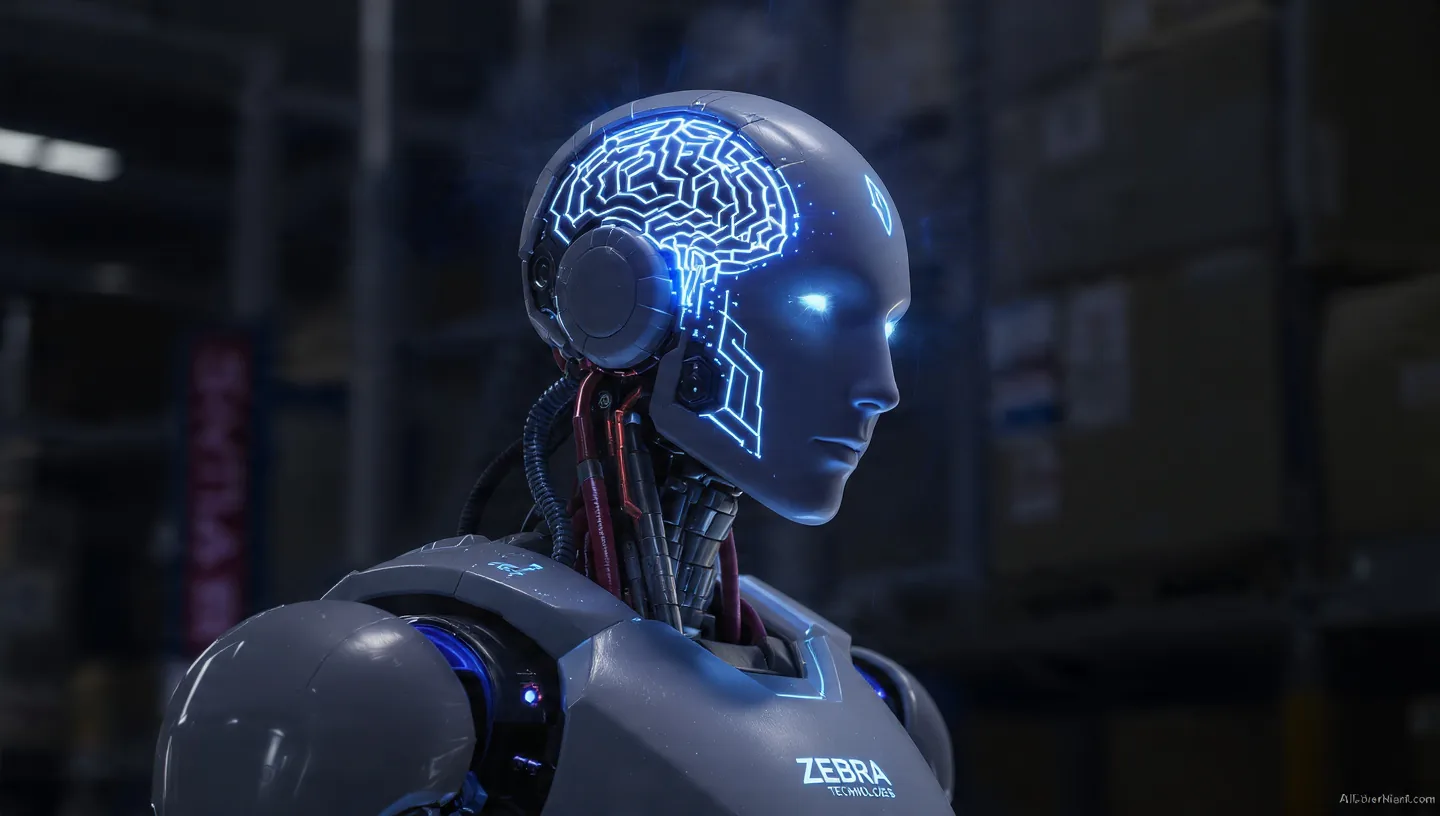
Samsung Electronics has poured resources into Rainbow Robotics, its stake rising to roughly 35 percent. It also created a Future Robotics Office that reports straight to CEO Lee Jae‑yong, signaling high‑level interest in the field. Samsung says it wants humanoid robots that can follow complex instructions, navigate difficult environments, and interact naturally with people.
The company’s current platform is Rainbow Robotics’ RB‑Y1, a wheeled humanoid. The wheeled base makes the robot more energy‑efficient and stable, but it cannot climb stairs or handle rough terrain like a legged robot can. In short, Samsung has built an impressive business case for robotics, but its first product does not yet match the most physically capable bodies on the market.
The broader race in 2025, 26 is far from settled. Tesla’s Optimus aims to produce about 10 000 units in 2025 and push mass production. Figure AI plans to ship roughly 100 000 humanoids over several years, having already deployed its machines at BMW’s South Carolina plant. Meta and Apple have signaled interest, while Chinese firms, including BYD‑linked efforts, join a crowded startup field. Most of these companies are targeting commercial deployment in manufacturing and logistics first.
In this context, “world’s best” is an unhelpful label. The competition has different strengths: Tesla on manufacturing ambition, Figure on real factory deployments, Boston Dynamics on athletic mobility. Samsung’s advantage lies elsewhere, deep capital, a consumer‑electronics empire, supply‑chain muscle, and AI plus device integration that rivals lack. Its current Rainbow platform is not the most physically capable body today.
Why Samsung could still win
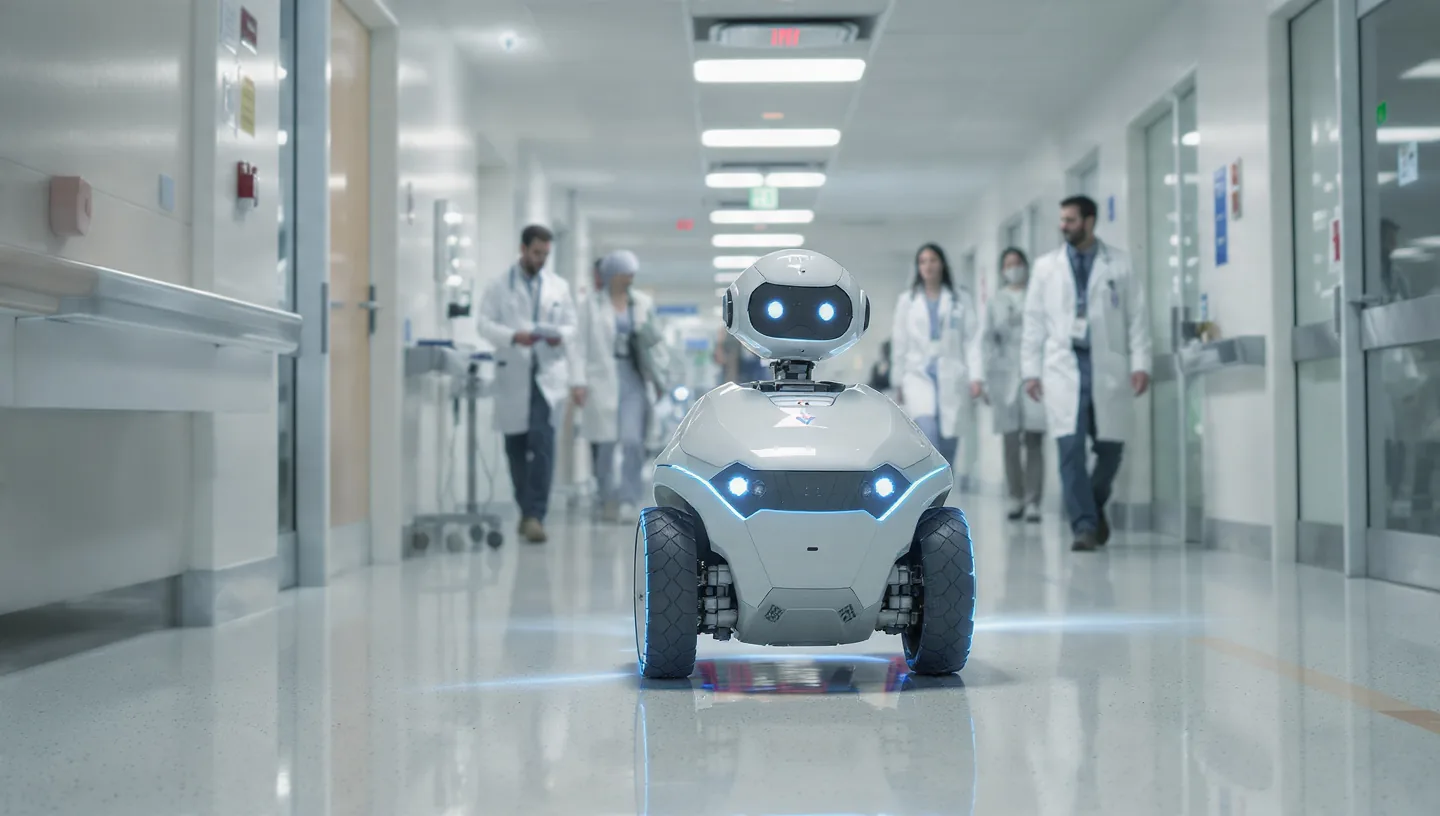
The humanoid race may be won by reliability at scale rather than flashiness. Samsung’s manufacturing footprint is vast; it can produce millions of parts with high precision. It also has a history of integrating new tech into everyday products, phones, appliances, displays. That ecosystem gives Samsung a natural path to embed robots in its own factories first, then in homes alongside existing devices.
Samsung’s deep pockets mean it can fund years of losses while competitors scramble to break even. The company can afford to iterate on its hardware and software without the same pressure that smaller firms feel. In practice, this likely means Samsung will focus on incremental gains, battery life, safety protocols, human‑robot interaction, before attempting a headline‑making leap.
The cautionary view
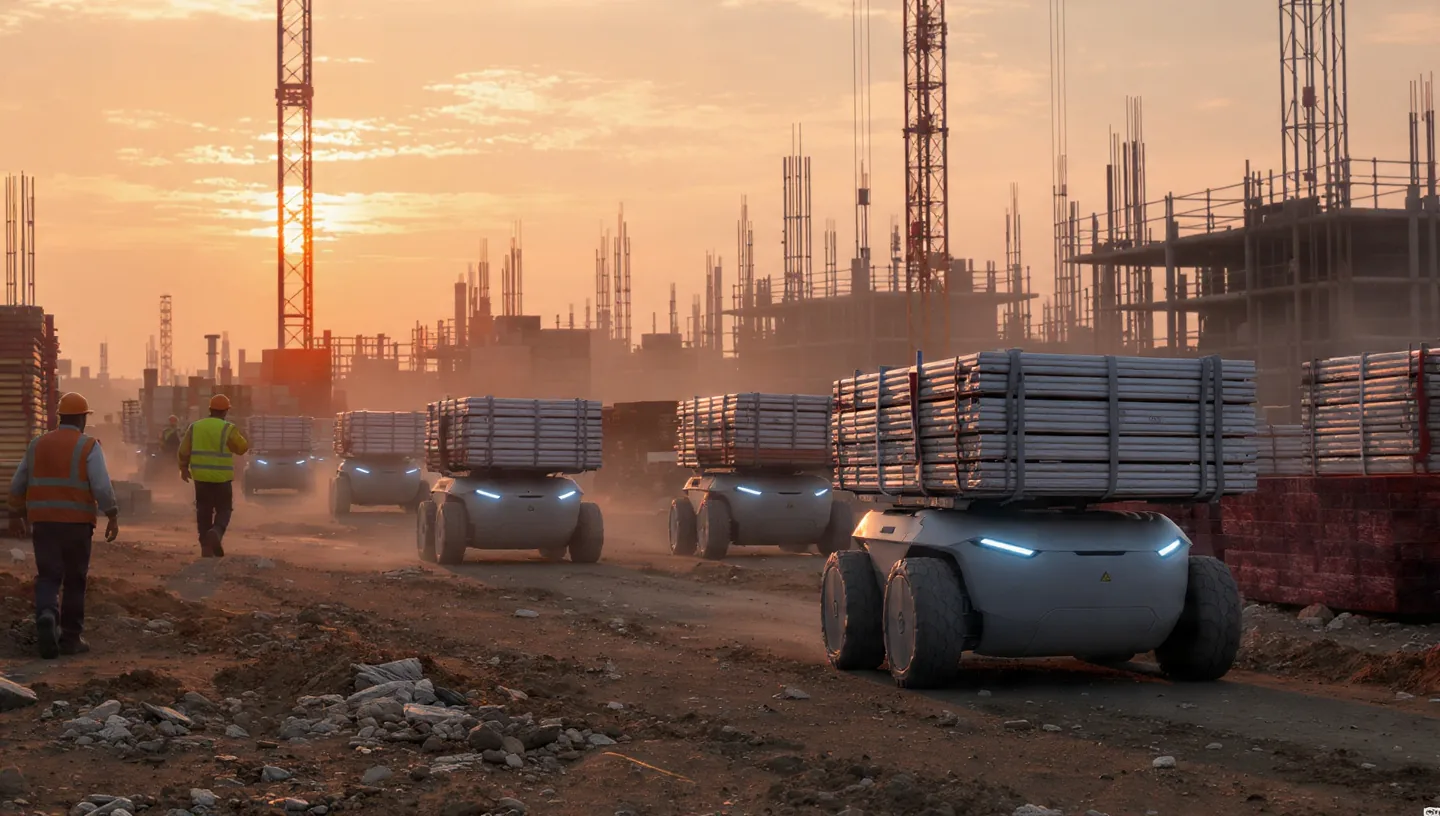
Humanoids remain early in their development cycle. Most pilots are confined to controlled factory settings or small demo arenas. Battery life, dexterity, safety around people, and cost still present hard challenges. Even the most advanced robots today can only perform limited tasks for short periods before needing a recharge.
Calling any robot “the world’s best” now is premature. The more useful question is which company is positioned to lead the decade. On that score, Samsung has just become a serious contender, even if its current product isn’t the most impressive on video.
1. Investment and strategic alignment
Samsung’s stake in Rainbow Robotics grew after the research center at KAIST spun out in 2011. By increasing ownership to about one‑third of the company, Samsung signals that robotics is more than a side project, it’s part of its core strategy. The Future Robotics Office reporting directly to Lee Jae‑yong shows senior leadership prioritizing robot development alongside consumer electronics.
This alignment matters because it gives Samsung decision power over design choices and timelines. It also allows the firm to synchronize robot hardware with its supply chain, ensuring parts availability and cost control. In contrast, Tesla’s Optimus program is still largely a vertical integration exercise within its automotive ecosystem.
2. The RB‑Y1 platform
The wheeled base of Rainbow’s RB‑Y1 makes it stable on flat surfaces and efficient in terms of energy consumption. However, the lack of legs limits its ability to navigate stairs or uneven terrain, a key requirement for many manufacturing environments. While a wheeled robot can be useful in controlled settings like factory floors, it falls short of what legged robots such as Boston Dynamics’ Atlas can do.
Samsung’s choice reflects a trade‑off: wheels reduce mechanical complexity and maintenance needs but sacrifice versatility. The company may plan to add legs later, but for now the RB‑Y1 represents a cautious entry into the market.
3. Competition on different axes
Tesla’s Optimus is marketed as a mass‑produced robot that can perform repetitive tasks in factories. Its target output of 10 000 units by 2025 shows ambition, but the company has yet to demonstrate a fully functional product at scale. Figure AI has already put its humanoids into BMW assembly lines, proving operational viability in real production environments. Meta and Apple have expressed interest but lack public deployment data.
In this landscape, Samsung’s strengths are not in raw mobility but in integration potential. By embedding robots into its own manufacturing plants, the company can test and refine its technology while also creating a showcase for future home products.
4. Supply‑chain muscle
Samsung’s global supply chain covers semiconductors, displays, batteries, and more. This breadth gives it an edge over competitors that rely on external suppliers for critical components. For example, battery life remains a bottleneck for many robots; Samsung can leverage its own battery research to address this issue faster.
Moreover, Samsung’s ability to scale production lines, already proven in smartphone manufacturing, could accelerate robot assembly once the design is finalized. This advantage could translate into lower unit costs and quicker time‑to‑market compared with firms that must build new factories from scratch.
5. AI and device integration
Samsung’s ecosystem includes phones, TVs, refrigerators, and smart home devices. Its AI research centers have already worked on natural language processing and computer vision. Integrating these capabilities into a robot could enable seamless interaction with existing products: a robot could learn to navigate a home by referencing a Samsung TV’s layout or control appliances through the phone.
This integration potential is unique among competitors. Tesla focuses on automotive AI, Figure on industrial vision systems, while Meta and Apple emphasize social media and consumer apps. Samsung can combine hardware, software, and AI across product lines, creating a unified experience for users.
A measured conclusion
Samsung’s push into humanoid robotics is a strategic move rather than an overnight leap to the top of the field. Its investment in Rainbow Robotics, creation of a dedicated Future Robotics Office, and deep integration with its existing supply chain give it a solid foundation. Yet the current RB‑Y1 platform lacks the mobility of leading legged robots, and the company has not yet demonstrated mass production or widespread deployment.
The real test will be whether Samsung can translate this groundwork into reliable, affordable units that perform useful tasks in factories and homes. If it succeeds, the company could become a dominant player by virtue of scale and ecosystem integration rather than by sheer technical spectacle. For now, Samsung remains a serious contender, its humanoid robot may not be the world’s best today, but its strategic positioning suggests it could shape the decade ahead.
Sources, References & Attribution
This blog post summarizes and explains ideas reported in the cited source. It is an independent explanatory commentary and does not reproduce the original work’s text, figures, or tables. All rights remain with the respective authors or publishers. Readers should consult the original for full detail.
Primary Source: Interesting Engineering article “Samsung ups humanoid robot game” (2024)
Read the original: Original source