🕒 4 min read
Humanoid robots are no longer confined to the realm of science fiction. Recent breakthroughs have seen these machines sprint at speeds that rival the fastest human athletes, marking a pivotal moment in robotics. This article explores the technological advancements, societal implications, and the global competition driving this transformational era in humanoid robotics.
The Breakthrough: Robots That Outpace Human Runners
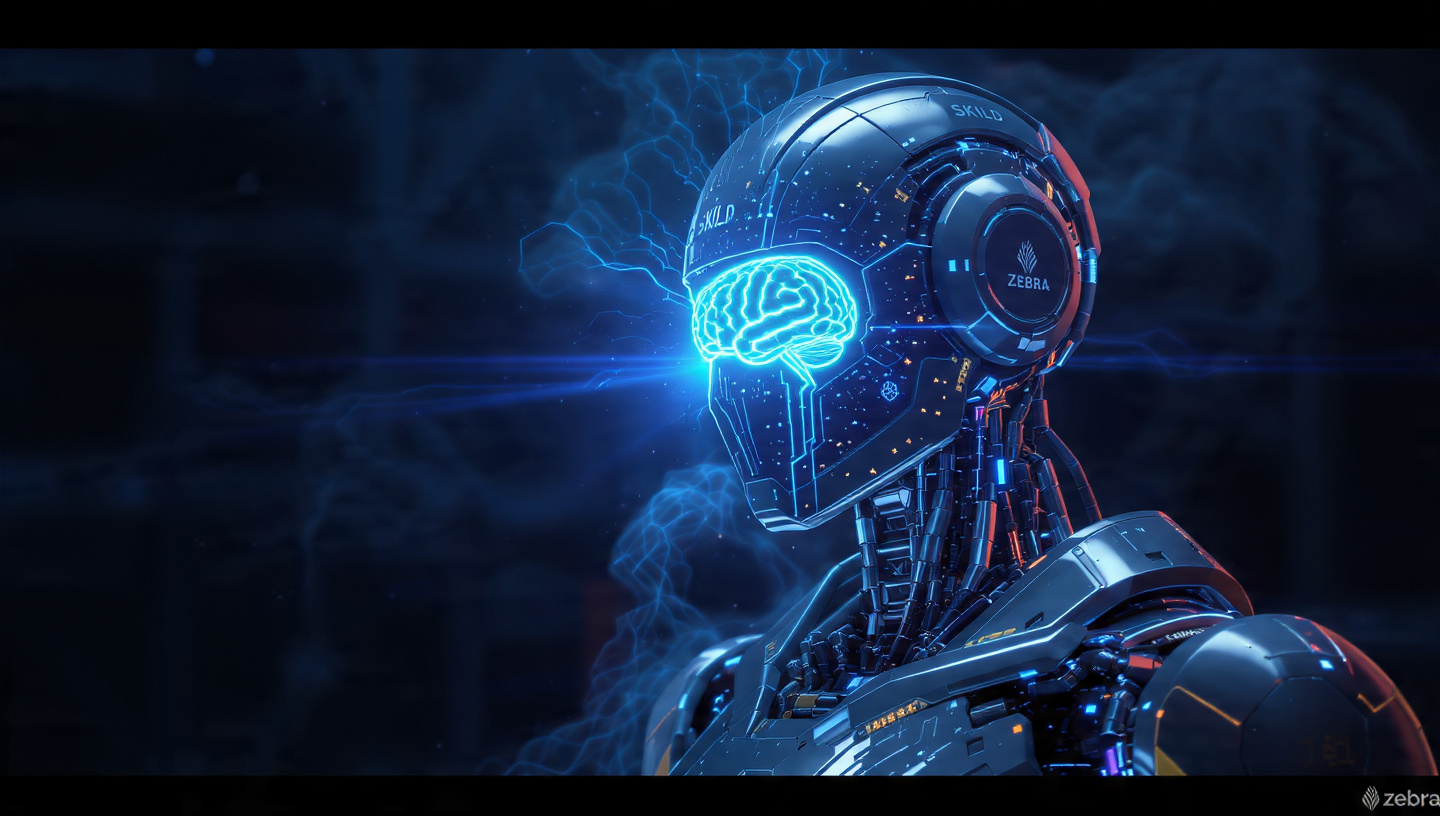
The leap from theoretical design to functional reality has been driven by a confluence of engineering ingenuity and computational power. Unitree Robotics’ H1 model, which achieved a velocity of 10.1 meters per second, stands as a landmark achievement. This speed, just shy of the fastest human sprinters, is made possible through a suite of innovations. At the core of the H1’s performance is its advanced motor control system, which allows for precise, rapid adjustments in movement. Real-time balance algorithms play a critical role in maintaining stability at high speeds, preventing the robot from toppling over during dynamic motion. The use of lightweight yet durable materials, such as carbon fiber composites, reduces inertia while maintaining structural integrity, enabling the H1 to accelerate and decelerate with remarkable efficiency.
What sets the H1 apart is its integration of torque management and dynamic stabilization techniques. Traditional humanoid robots often struggle with energy efficiency and mechanical wear during high-speed movements, but the H1’s design mitigates these challenges. By optimizing the distribution of force across its joints and limbs, the robot can channel power into forward motion without sacrificing control. This breakthrough is not merely a technical feat but a demonstration of how robotics can now approach human-level dexterity and responsiveness. The implications extend beyond speed; the H1’s agility opens the door for humanoid robots to perform tasks that require both precision and rapid movement, such as navigating complex environments or executing intricate maneuvers.
Convergence of Disciplines: The Engineering Behind the Speed

The H1’s capabilities are the result of a multidisciplinary approach that merges artificial intelligence, materials science, and mechanical engineering. Advanced actuators, which function as the robot’s muscles, are capable of generating high torque while remaining compact and energy-efficient. These actuators are paired with neural-inspired control algorithms that mimic the adaptive responses of the human nervous system, allowing the robot to react to changes in terrain or movement in real time.
The race to develop such technologies is not limited to Unitree Robotics. Companies like Boston Dynamics, Figure AI, and Agility Robotics are also pushing the boundaries of humanoid locomotion. Each firm has adopted distinct engineering philosophies: Boston Dynamics emphasizes fluid, almost animal-like movements, Figure AI focuses on modular design for scalability, and Agility Robotics prioritizes robustness in industrial settings. Despite their differences, these companies share a common goal—bridging the gap between human and machine in terms of speed, adaptability, and autonomy. The collaboration and competition among these entities are accelerating innovation, with each breakthrough feeding into the next.
Transforming Industries: Implications of Fast-Moving Humanoid Robots
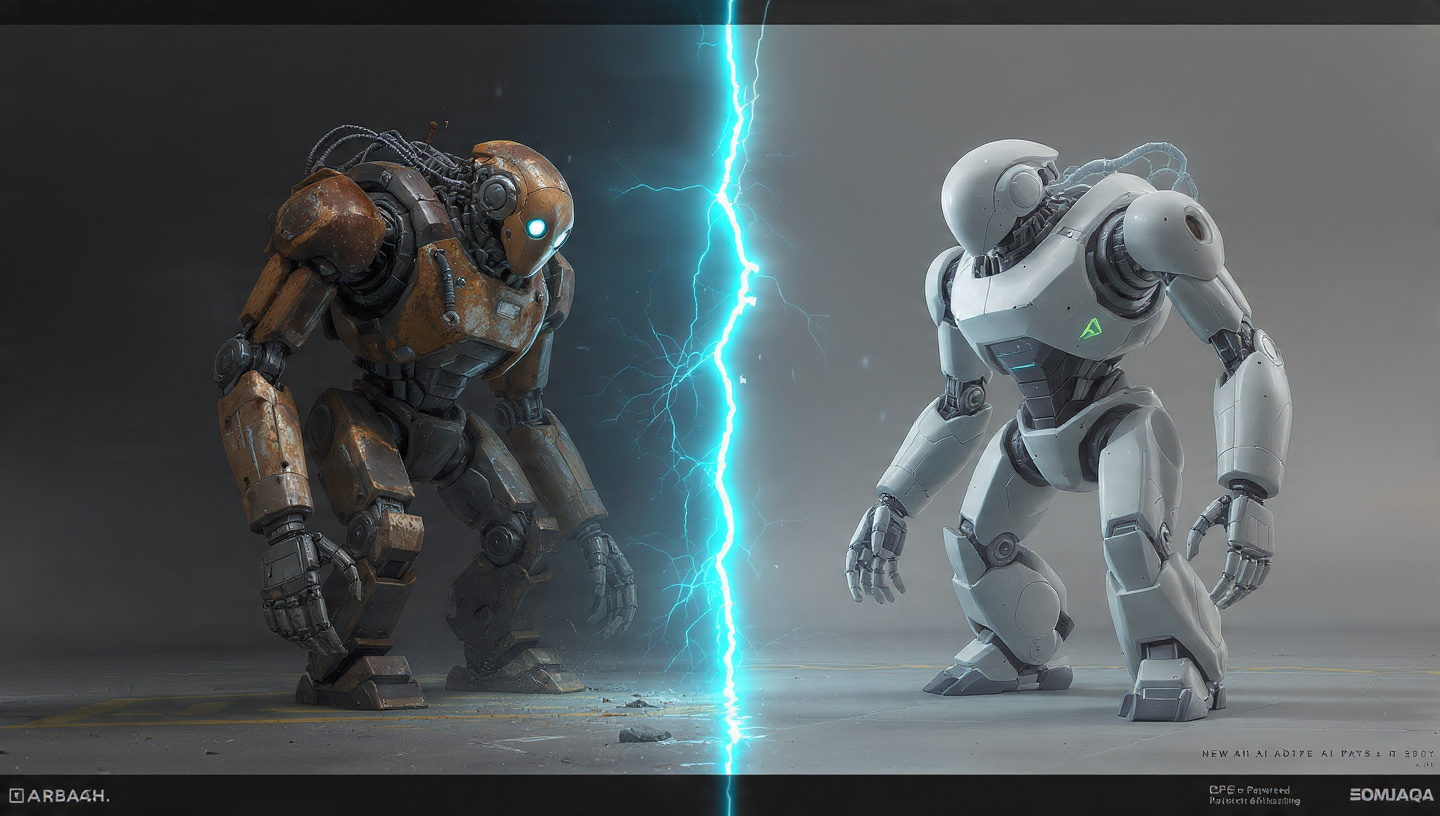
The ability of humanoid robots to sprint at human-like speeds is poised to revolutionize multiple sectors. In disaster response, robots that can navigate rubble at high speeds could drastically improve search-and-rescue operations, reaching trapped individuals in areas too dangerous for humans. In manufacturing, the integration of fast-moving robots could enhance productivity by enabling seamless coordination with human workers on assembly lines. Logistics is another sector that stands to benefit, as humanoid robots could handle tasks like sorting, transporting, and stacking goods with the same efficiency as human workers, reducing reliance on repetitive labor.
However, these advancements also raise pressing questions about safety, regulation, and ethics. The deployment of autonomous, high-speed robots in public spaces or industrial environments necessitates rigorous safety protocols to prevent accidents. Regulatory frameworks must evolve to address liability issues, particularly in scenarios where a robot’s malfunction could cause harm. Ethically, the widespread use of such machines could disrupt labor markets, displacing workers in sectors reliant on manual labor. Balancing innovation with these societal concerns will be critical as humanoid robots transition from research labs to real-world applications.
Global Competition: The Race to Lead the Humanoid Revolution
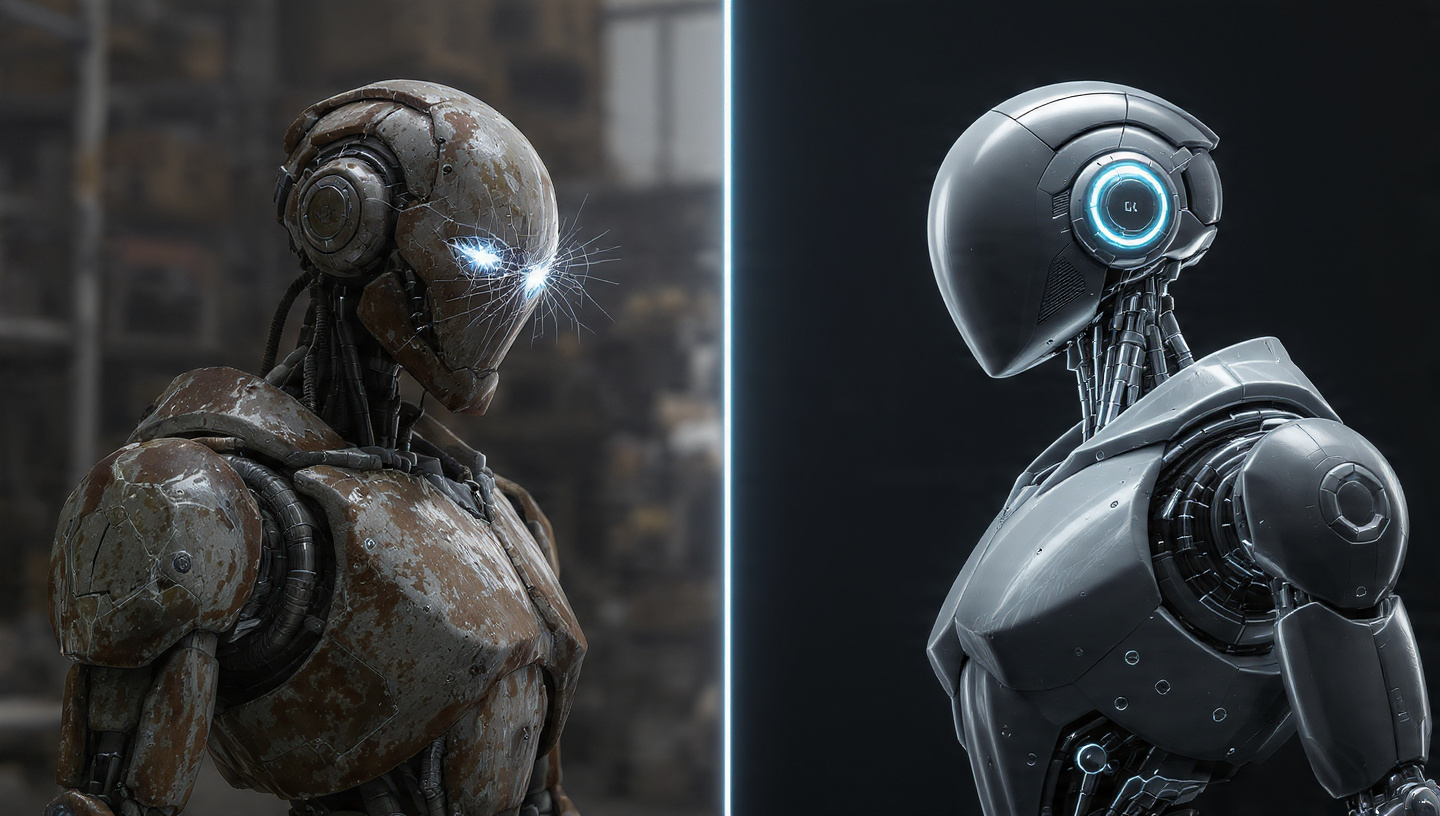
The development of sprinting humanoid robots has ignited a fierce global competition, with Chinese and American companies at the forefront. Unitree Robotics, based in China, has made significant strides with the H1, while American firms like Boston Dynamics and Agility Robotics continue to refine their own models. This technological arms race is fueled by substantial investment from both private and public sectors, with governments recognizing the strategic importance of leading in robotics innovation.
The next decade will be pivotal in determining which companies and nations emerge as leaders in this field. As the technology matures, we can expect to see humanoid robots not only achieving greater speeds but also becoming more versatile in their applications. Whether in disaster zones, factories, or even everyday environments, the sprinting humanoid robot is no longer a distant dream—it is a reality that is rapidly reshaping the future of technology and society.
Sources
This article was compiled from official announcements by Unitree Robotics and research published by Boston Dynamics, Figure AI, and Agility Robotics. Information on global competition was sourced from industry analyses and reports on international robotics investment trends.
Related reading: For more context, see Is Samsung Making The World's Best Humanoid Robot? and Artificial Intelligence and Health: Scientists Made an Unexpected Discovery.